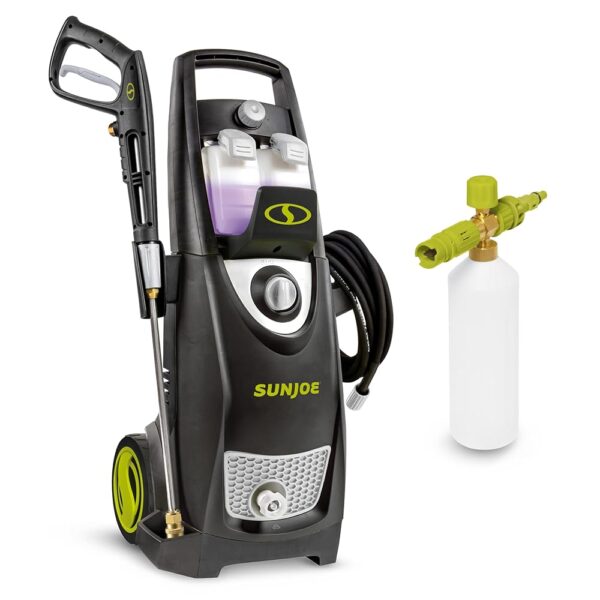
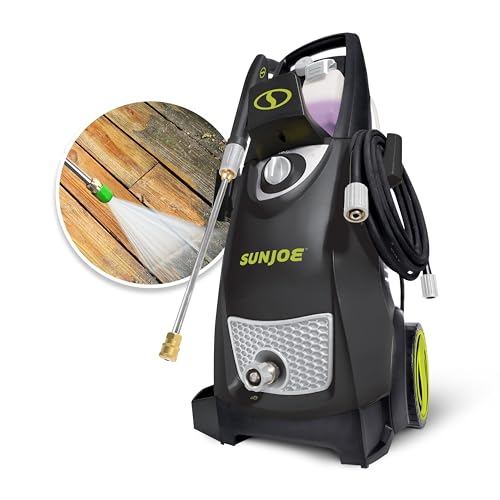
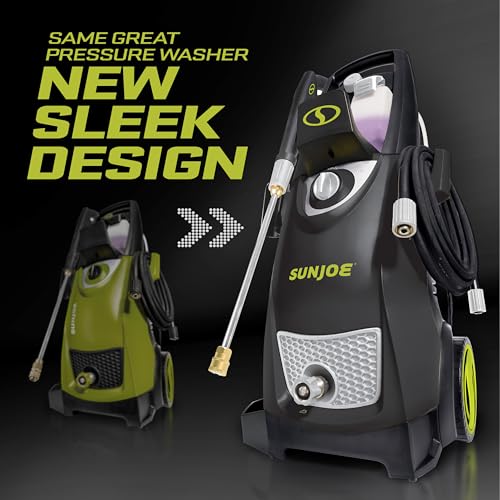
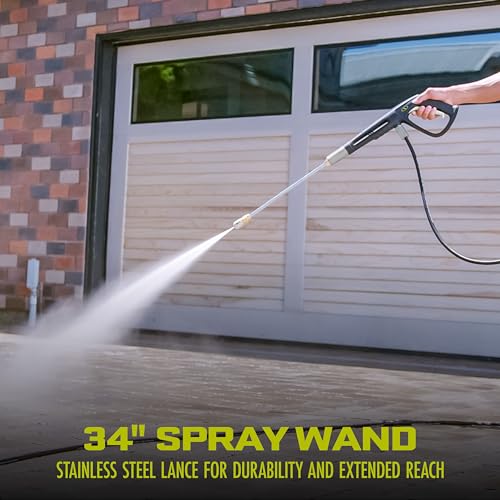



Description
Who this Sun Joe SPX3000 listing is for
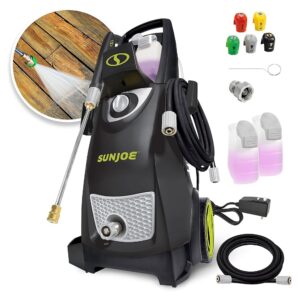
The Sun Joe SPX3000 belongs to the corded electric class of pressure washer, the kind that plugs into a household outlet and draws water from a garden hose rather than carrying a tank. That class is aimed at a homeowner clearing a driveway, a fence line, siding, patio furniture or a car on a weekend. It is not aimed at anyone running a machine for hours a day, and it is not a substitute for a gas unit when the job is a long stretch of concrete. The decision this page is meant to settle is narrow: whether a mid range corded machine is the right category for your job, and whether this particular listing publishes enough to order from.
On the second half of that question the honest answer is uncomfortable, so it belongs at the top rather than buried at the bottom. The imported listing record behind this page is close to empty. The feed returned a blank product title, a blank description, no specifications block, no feature bullet list and no rating. One attribute survived the import: the item model number, recorded as SPX3000. Everything a buyer would normally weigh is missing from our copy.
What the specification record actually publishes
Stated plainly, the published data for this listing consists of a model number. There is no pressure figure, no flow rate, no motor amperage, no hose length, no cord length, no weight and no nozzle count in the record we hold. That is a gap in our source data, not a statement about the machine. Sun Joe publishes figures for the SPX3000 on its own materials and on the retail page itself, and those figures should be read there rather than inferred here. We are not going to fill the blank with numbers we cannot source, because a pressure washer specification that turns out to be wrong sends a reader to a machine that cannot do the job, or to one that damages the surface they wanted cleaned.
The figures to confirm on the product page before ordering
Four numbers decide whether a corded washer suits a job. The first is pressure in PSI, and listings frequently quote a peak or unloaded figure rather than a working one, so check whether the number on the page is labeled as a maximum. The second is flow in gallons per minute. Cleaning speed comes from pressure and flow together, and a high PSI figure attached to a low GPM figure rinses slowly. The third is the amperage the motor draws, which decides whether your outdoor circuit can carry it. The fourth is the length of the power cord and the length of the high pressure hose, which together set how far you can work from the outlet without moving the machine.
Setting up and running a corded washer correctly
A pressure washer jet is not a strong garden hose. At the pressures these machines produce, a stream can drive water, grit and bacteria through skin, and an injection injury of that kind can look minor on the surface while causing serious damage underneath. Never aim the wand at a person or an animal, never at your own hand to test it, and wear eye protection, because the spray throws back grit at speed. Keep bystanders and pets clear of the working area for the whole session.
Electrically, treat any outdoor washer as a wet appliance. A ground fault circuit interrupter outlet is the normal requirement for corded pressure washers, and many manufacturers either build a GFCI device into the cord or require a GFCI protected outlet. Our record for this listing does not publish either the amperage or the GFCI requirement, so read the manual before first use. Extension cords are the other common restriction. A number of manufacturers prohibit them outright and others specify a wire gauge and a maximum length, because an undersized cord starves the motor and heats up.
On the surface itself, start with the widest nozzle you have and stand well back, then close in only if the wide pattern is not clearing the dirt. A narrow or turbo tip will strip paint, carve lines into softwood decking, cut mortar out of brick joints and force water up behind siding where it will sit and rot the sheathing. The wide angle tips exist so that you can rinse a large area without etching it, and on wood and painted surfaces they should be the default rather than the fallback.
Limits, gaps and one duplicate worth knowing about
The gap in the published data is the main limit on this page, and it is worth repeating because it changes what you should do next: order from the retailer page where the current figures are shown, not from a description that has been reconstructed. There is a second point that a reader comparing pages on this site deserves to know. The SPX3000 appears in our catalog twice, under two different Amazon listings. The other one is covered in our separate write up of the Sun Joe SPX3000 under its older listing. We have not resolved which listing carries which revision of the machine, and we are not going to guess, so compare both product pages directly for pressure, flow and included accessories before deciding which to order.
A related point on model naming. Sun Joe sells several machines whose numbers differ by a single digit, and the specifications differ with them. The SPX3001, which adds an onboard detergent tank, is a different machine from the SPX3000 despite the near identical name, and the SPX3000 XT1 variant is different again. Check the model number on the box against the one you intended to buy.
Alternatives worth comparing
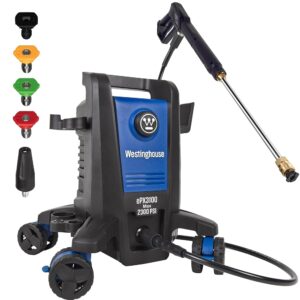
If the empty specification record on this listing bothers you, the reasonable move is to compare it against a machine whose figures are published in full. The Westinghouse WPX2300e, which states both its pressure and its flow rate, sits in a similar bracket and lets you see what you are buying, although its own listing carries a contradiction that we describe on that page. Beyond that, our index of corded and cordless electric machines is the place to compare pressure and flow across the class, and if your job is a long driveway or a large stretch of siding, the engine driven machines we track move more water per minute, at the cost of noise, maintenance and exhaust handling.
Who should buy it and who should not
The SPX3000 platform suits a homeowner who wants a corded machine for occasional outdoor cleaning and who is comfortable reading the current pressure and flow figures off the retail page rather than off a review. It does not suit a buyer who needs the specification confirmed in writing before ordering, because this particular listing record does not carry one, and it does not suit anyone whose job calls for sustained high flow. If the model revision matters to you, confirm it on arrival, since two separate listings for this model sit in our catalog.