

Description
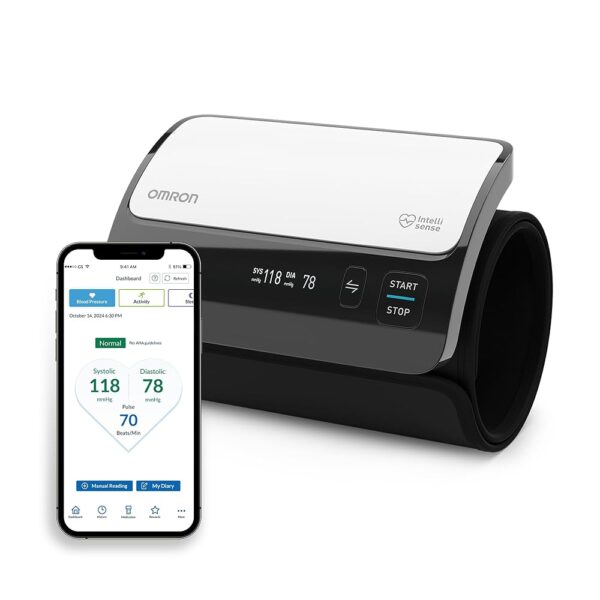
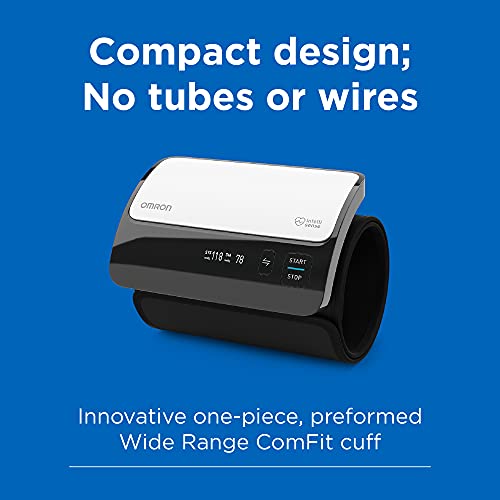
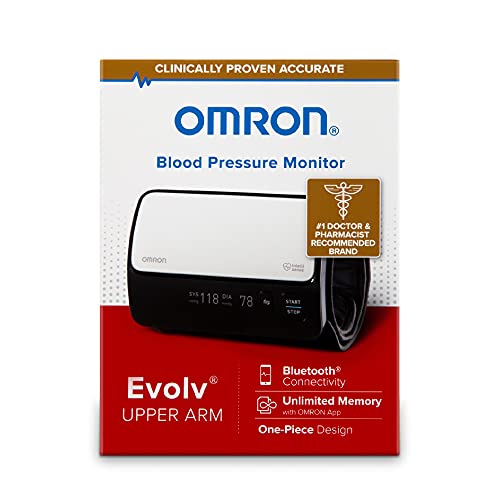
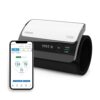
The OMRON Evolv BP7000 is a one piece upper arm blood pressure monitor with no tube and no separate display box. The cuff is the device. It connects over Bluetooth to the OMRON Connect app and weighs eight ounces. This review describes it from its published listing data. It is not medical advice, it does not tell you what any reading means, and a home monitor does not replace professional medical care. Readings belong in a conversation with a clinician who knows your history.
Who this monitor is for and what it settles
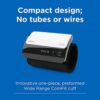
The Evolv settles the storage and travel question for upper arm devices. OMRON describes it as its most portable upper arm monitor, and the specification supports that: 3.5 by 1 by 8 inches, eight ounces, and nothing to assemble. Conventional monitors are a box, a tube and a cuff that have to be connected and untangled every time; this is a single object you wrap and press.
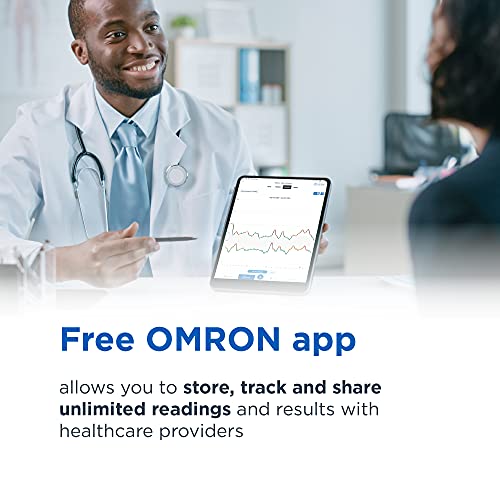
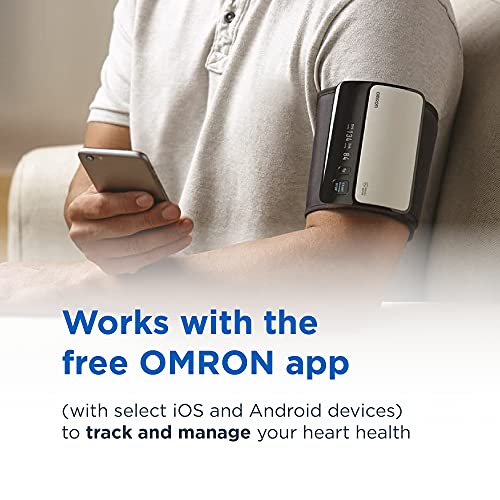
That design has a cost, and it is worth being clear about it. With no separate display box there is less room for buttons and screen, and the entire history lives in the app. OMRON states the free app allows unlimited users and readings, and sharing with family or healthcare providers, but the listing never says how many readings the monitor itself stores. If you do not want a phone involved, you cannot tell from this page what you would be left with. Ask OMRON before buying, or choose a device such as the OMRON Gold BP5350, which publishes 60 readings per user on the device itself.
The cuff range, published in metric
Cuff fit determines whether a reading is worth recording, because a cuff too small or too large produces wrong numbers on a device that is working perfectly. Technique does not compensate for it.
The structured band size field reads 22 to 42 centimeters, a proper two ended range covering standard and large adult upper arms, which is roughly 8.7 to 16.5 inches. No inch equivalent appears anywhere on the listing. Measure your upper arm at the midpoint between shoulder and elbow before ordering, and if you measure above that range, choose a device supplied with a larger cuff rather than stretching this one.
On a one piece design the cuff and the electronics are a single unit, so a replacement cuff is not an option in the way it is on a tubed monitor. Getting the size right at purchase matters more here than on most devices in the blood pressure monitor section.
Using it correctly
Home readings are useful when the routine never changes. Sit with your back supported and feet flat on the floor, rest quietly for several minutes before starting, support the arm at roughly heart level, fit the cuff on bare skin rather than over a sleeve, and stay still and silent while the measurement runs. Take readings at the same times each day so they can be compared with one another. Follow OMRON’s manual, and follow any protocol your clinician has given you in preference to a general routine.
OMRON closes its own product description with an instruction worth repeating exactly: do not use this monitor for any purpose other than measuring blood pressure. That is the manufacturer setting the boundary of what the device is for, and it is the right boundary. This listing publishes no irregular heartbeat detection, no hypertension indicator and no color banding. The device measures blood pressure and reports numbers, and the interpretation of those numbers belongs with a clinician.
What the accuracy claims actually say
OMRON describes an exclusive heart health algorithm that measures more data points and eliminates interference from movement, producing what the listing calls more precise, clinically accurate readings. “More data points” than what is not stated, and no figure is given for the improvement.
The regulatory wording conflicts in the way it does across OMRON’s range. The product title states the device is FDA cleared and clinically validated. A feature bullet states it is FDA registered as a medical device. Registration means a manufacturer has listed itself and its device with the agency; clearance means the agency reviewed a specific device before marketing. A listing asserting both is blurring a real distinction, and the FDA’s own databases are a better place to check than a product page.
The listing also states the monitor meets Validated Device Listing criteria for clinical accuracy as determined through an independent review process, without naming the protocol, and repeats OMRON’s brand claims about being the most recommended and world’s best selling blood pressure monitor brand. Those are marketing statements we cannot verify. We do not test devices and we will not describe any monitor as accurate, clinically accurate or medical grade in our own voice.
A five year warranty is stated and the device is FSA and HSA eligible. Country of origin is given as Japan. Feedback is recorded at 4.4 out of 5 across 6,329 ratings, which measures buyer satisfaction rather than measurement performance.
The battery field contradicts the contents list
The structured batteries field reads “4 AA batteries required, included”. The included components field on the same listing reads “4 AAA Batteries”. AA and AAA are different sizes, and one of those two statements is wrong.
It matters when you come to replace them, which on a device with no mains option you will do regularly. Check the battery compartment before buying a pack, and note that no AC adapter is described anywhere on this listing, so batteries are the only power source.
What the listing does not publish
Beyond the memory capacity, this listing publishes no cuff replacement option, no maximum inlet or storage temperature, and no indication of how long a set of batteries lasts. On a device with no mains option and no rechargeable cell, battery life is a running cost you would normally want a figure for. Ask before ordering if the device will be used daily.
Alternatives in this catalog
For another tube free connected design, the Withings BPM Connect rolls into a cylinder and syncs over Wi-Fi rather than Bluetooth, and the Garmin Index BPM takes a similar approach with PDF report export. If you want the connectivity plus a large on device memory, the OMRON Gold linked above is the safer choice. Further devices sit in the mixed shortlist section beside unrelated pressure products.
Who should buy it and who should not
Buy it if portability and simplicity are the deciding factors, you are comfortable with the app holding your history, and your upper arm measures within 22 to 42 centimeters. Do not buy it if you want a usable record without a phone, if you need irregular heartbeat flagging, or if you want a device where the cuff can be replaced separately.