
Description
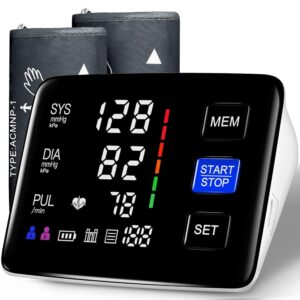
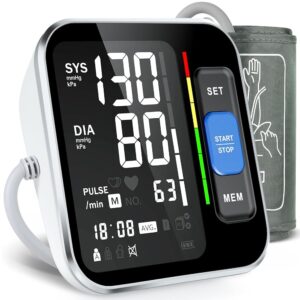
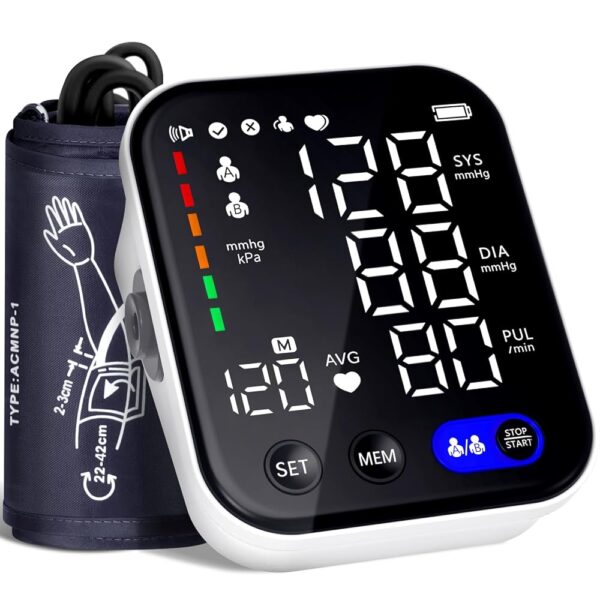
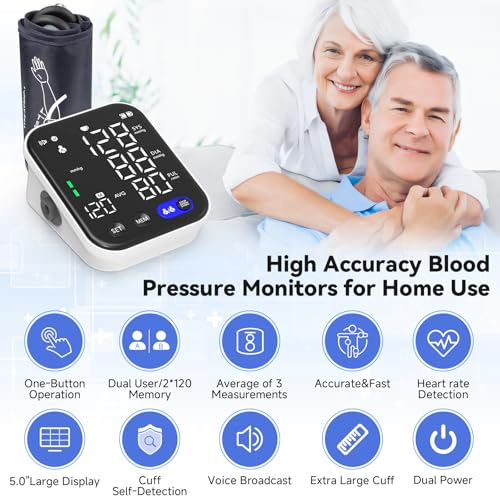
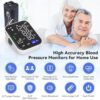
The Rsorvia CK-A139 is an upper arm blood pressure monitor with a five inch color screen, a voice broadcast function, a cuff self detection feature and storage for 120 readings each across two users. Its listing contains the clearest measurement instructions of any device in this catalog, and it also gets its own cuff figures wrong. This review describes the device from its published listing data. It is not medical advice, it does not tell you what any reading means, and a home monitor does not replace professional medical care. Readings belong in a conversation with a clinician who knows your history.
The cuff range does not convert correctly
Cuff fit determines whether a reading is worth recording, because a cuff too small or too large produces wrong numbers on a device that is working perfectly. Technique does not compensate for it.
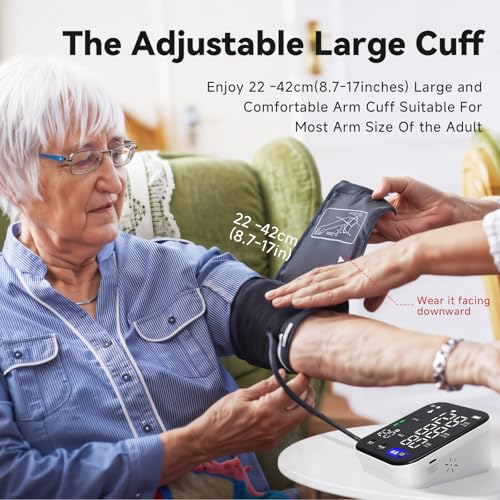
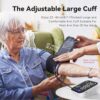
The product title and a feature bullet state a cuff length of 8.7 to 17 inches, and then give the equivalent as 22 to 42 centimeters. Those two do not match. Seventeen inches is about 43.2 centimeters, not 42, and 42 centimeters is about 16.5 inches. The structured band size field, meanwhile, reads only “42 centimeters”, giving a maximum with no minimum.
So the listing publishes an upper bound of either 16.5 or 17 inches depending on which figure you read, and a lower bound only in the marketing text. Half an inch matters at the top of the range because that is exactly where the largest adult arms sit. Measure your upper arm at the midpoint between shoulder and elbow before ordering, and if you are near either figure, ask Rsorvia to confirm the actual cuff dimensions before buying.
The listing’s own measurement instructions are worth reading
One feature bullet is headed “How to Measure Correctly” and gives real guidance rather than marketing: read the manual before use, sit up straight, remove thicker clothing and expose the upper arm rather than measuring through a sleeve, keep the cuff at the same height as your heart, and wrap the cuff correctly before pressing start.
That is a better description of correct technique than most premium listings bother with, and it is the single biggest determinant of whether your readings mean anything. Add to it the things the bullet does not mention: rest quietly for several minutes before the first measurement, keep your feet flat on the floor and your back supported, stay silent while the cuff inflates, and take readings at the same times each day so they can be compared with one another. If your clinician has given you a specific protocol, follow theirs in preference to a general routine.
The cuff self detection feature supports this directly. Rsorvia states the device prompts you through an icon on the display when the cuff is not correctly positioned, and describes an intelligent soft inflation intended to reduce inaccurate readings from improper use. A silently bad reading is the main failure mode of home monitoring, so a device that tells you when the cuff is wrong is doing something genuinely useful. Similar features appear on the NOUYAN BA31 and the Alcedo B21 in this catalog.
Who this monitor is for and what it settles
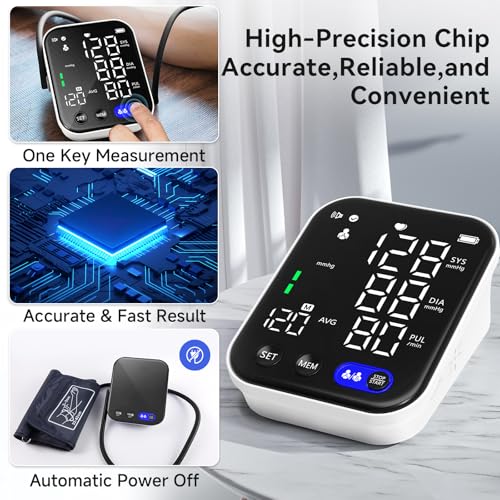
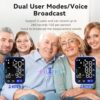
The CK-A139 settles the legibility question. A five inch color display with large numbers is the biggest screen among the monitors in the blood pressure monitor section, and the voice broadcast reads results aloud on top of that. For someone whose eyesight makes a small LCD difficult, the combination of a large color screen, spoken results and one button operation is the whole argument for this device.
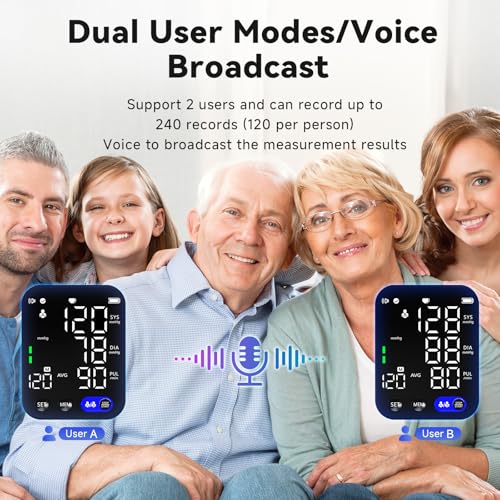
It supports two users with 120 records each and averages the last three consecutive measurements automatically. Nothing in the listing describes Bluetooth or an app, so the on device memory is your complete record. Published weight is 395 grams and dimensions are 4.7 by 3.5 by 2.4 inches.
Check what is actually in the box
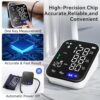
The listing states two power options, a Type-C cable or four AAA batteries described as external. The contents list then names the monitor, the cuff, a Type-C cable, a user manual and a quick guide. Batteries are not in that list. If you want to run the device on batteries rather than tethered to a socket, buy them at the same time.
What the accuracy claims actually say
Before that, two gaps. The listing publishes no warranty term, where established brands state two years or more, and one feature bullet is pure seasonal gift marketing rather than product information. Neither affects how the device measures, but both reduce how much this page actually tells you about what you are buying.
A feature bullet is headed “Professional Accuracy” and states that intelligent chips provide precise measurements with professional accuracy. That phrasing is doing a lot of work. No validation protocol is named anywhere on this listing, no independent validation body is cited, and there is no statement about FDA clearance or registration. “Professional accuracy” is a marketing phrase, not a standard.
Compare that with the iHealth Track, which names the ESH 2010 protocol outright. Naming a protocol gives a reader something to check. If validation status matters to your decision, the device listings published by validation programs and the FDA’s own databases are the places to look rather than a product page. We do not test devices and we will not describe any monitor as accurate, clinically accurate or medical grade in our own voice.
The device is also stated to prompt when it detects an irregular heartbeat. That is a flag for a clinician to assess, not a diagnosis: it does not identify the irregularity or say whether it matters. Note it and raise it at an appointment.
Feedback is recorded at 4.4 out of 5 across 167 ratings on a product first listed in October 2024, which is a small sample. The manufacturer field reads ShenZhen Changkun Technology Co Ltd rather than Rsorvia, and a closely related CK-A138 device appears in this catalog under a different brand, so the field of apparently independent options is narrower than it looks.
Who should buy it and who should not
Buy it if screen size and spoken results are the deciding factors, you want cuff position checking, and your upper arm sits comfortably inside the range rather than at the top of it. Do not buy it if your arm is near 16.5 to 17 inches, because the listing cannot tell you which figure is right, and do not buy it expecting batteries in the box or a published validation protocol. Further options sit in the mixed shortlist section alongside unrelated pressure products.