

Description
Who This Monitor Is For and What It Settles
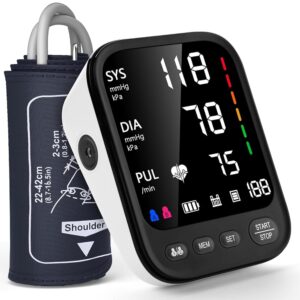
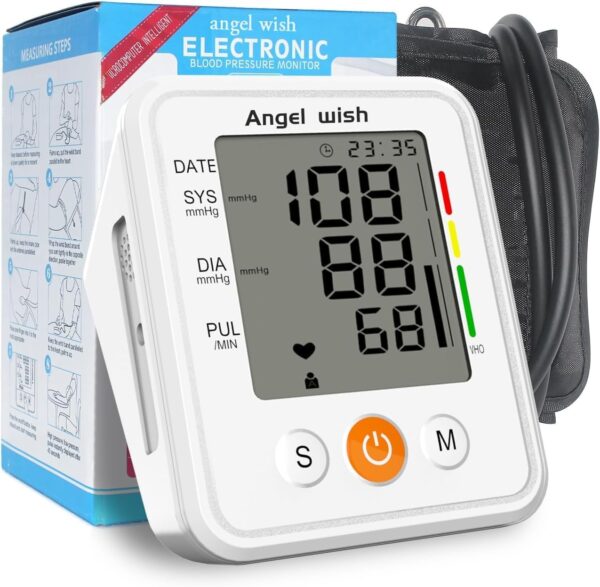
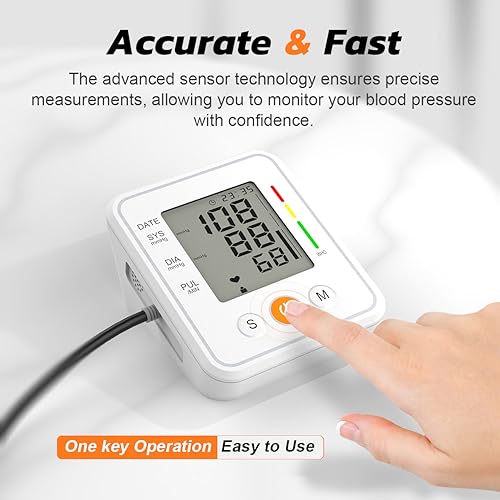
The Angel Wish upper arm monitor is a compact automatic device with an LCD screen, a voice announcement function, a large cuff and two ways of powering it. It is aimed at a household that wants one simple machine that can run on batteries at the bedside or from a USB supply on a desk, and where at least one user would rather hear the result than read it.
Before the specifications, the standing point. This review describes a device and the data published for it. It does not interpret readings, it does not tell anyone what their numbers mean, and a home blood pressure monitor does not replace professional medical care. Readings belong in a conversation with a clinician who knows the person taking them.
The Specifications That Matter
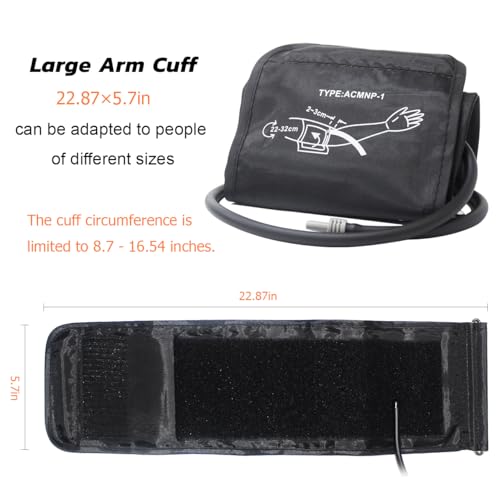
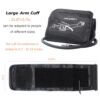
Cuff circumference is the specification that decides whether this monitor can work for a given arm, because a cuff that is too small or too large produces wrong readings on hardware that is functioning perfectly, and nothing on the display warns you. This listing publishes the figure clearly and in two places that agree: the band size field and the first bullet both state the arm circumference is limited to 8.7 to 16.54 inches. Consistency between fields is not something to take for granted in this catalog, and here it is present.
Measure the bare upper arm at the midpoint between shoulder and elbow before ordering. If your measurement falls outside 8.7 to 16.54 inches, this is the wrong device rather than a near miss, and a documented replacement cuff such as the Alcarefam BD42 paired with a compatible monitor is the route to take.
Power, display and the voice function
Power is the strongest practical feature here and it is documented consistently. The power source field says battery powered or USB power supply, a bullet confirms two supply modes, and the components list includes four AAA batteries. That gives a genuine choice between a bedside unit that needs no outlet and a desk unit that never needs cells replaced, which is more flexibility than most monitors at this level offer.
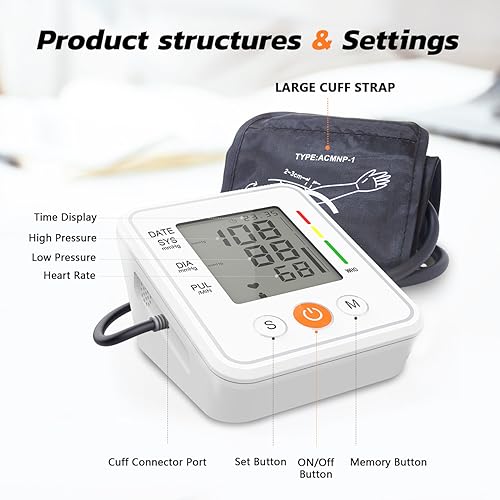
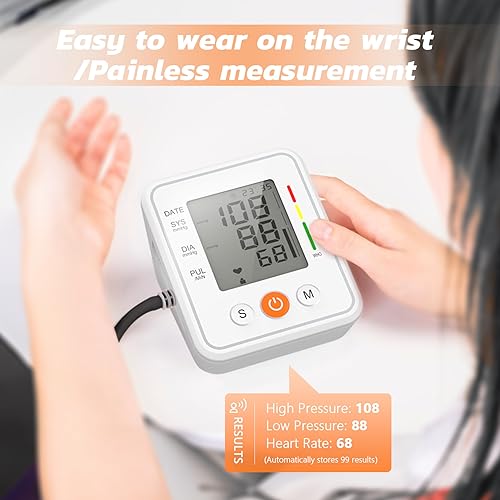
The display is an LCD described as high definition with numbers intended to stay readable for users with weaker vision, though no digit height is published, so the actual character size has to be judged from photographs. The voice announcement function is listed as a feature but described only in passing. The listing does not say whether it can be muted, whether the volume is adjustable, or what language it speaks, and all three are worth confirming before buying for someone who will rely on it or for a shared room where the audio would be unwelcome.
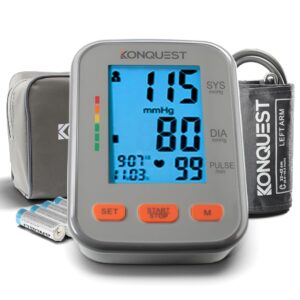
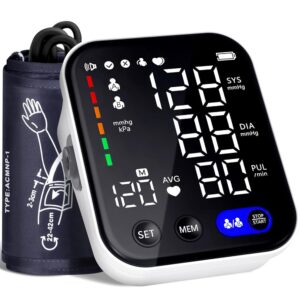
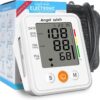
The box is listed as containing the monitor, a large arm cuff strap, an instruction manual, a case and four AAA batteries. The unit measures 3.35 by 2.56 by 2.76 inches at a listed 13.76 ounces, which is heavy for something that small and probably reflects the packed kit rather than the monitor alone.
What Is Missing, and What Is Claimed
Memory is the notable omission. A bullet says the intelligent memory function stores multiple data sets so trends can be tracked, but no capacity is given anywhere, no user count is given, and no averaging function is described. For a device sold partly on trend tracking, not publishing how many readings it holds is a real gap. Ask the seller before buying if the log matters to you, or plan on writing readings down.
On performance, the listing is unusual in what it does not claim. There is no accuracy figure, no tolerance, no validation protocol and no regulatory clearance anywhere in the data, and, to its credit, no explicit accuracy boast either. What it does claim is durability: a bullet says each monitor undergoes rigorous testing to ensure durability. That is a statement about build, not about measurement, and the difference is worth holding onto. A device can survive a drop test and still not have been validated for measurement performance. Validation status for home monitors can be checked through the registries medical bodies maintain, and that is the check that speaks to readings.
One claim from the previous copy on this page has been removed rather than repeated. It described readings as highly accurate and closely aligned with professional monitors. Nothing in the listing supports a comparison against clinical equipment, we do not test devices, and that statement is not one this site will make about any product.
Using It Correctly
Fit the cuff to the bare upper arm rather than over a sleeve, with the tubing running down the inside of the arm toward the palm and the lower edge roughly an inch above the elbow crease, closed so one finger slides underneath with mild resistance. Sit with the back supported and both feet flat on the floor, rest the arm so the cuff sits level with the heart, and stay silent and still through the inflation and the release.
Rest for several quiet minutes before the first reading rather than measuring straight after activity, and use the same arm at the same times each day so the record compares with itself. If two people share the device, and the memory arrangement is undocumented, keep separate written logs rather than assuming the machine will keep them apart.
Limits and Data Quality
The description field is empty, so five bullets and a specification table carry everything, and the bullets are written in an unusually florid register that talks about tactile luxury and quality supremacy rather than specifications. Marketing tone is not a fault in the hardware, but when the copy spends its space on adjectives it is not spending it on numbers, and the missing memory capacity is the result.
The included components field is also corrupted in the source data, containing raw JavaScript scraped from the retailer’s page ahead of the actual component list, and the bullets carry mangled emoji tokens where symbols were meant to appear. Those are import defects rather than product faults, but they mean the field cannot be read as authoritative. The manufacturer of record is Dongguan Kangweile Electronic Technology, which is not the brand on the box.
The point that outranks all of it: this device produces numbers and announces them. It does not diagnose, it does not replace professional medical care, and nothing in this review is guidance about anyone’s health or treatment.
Alternatives Worth Comparing
If spoken results are the deciding feature, compare a monitor that documents its audio properly, including mute and volume, such as the SmartHeart 01-742T talking monitor. If memory depth matters more, the Greater Goods 0663 and the Medline MDS4001 publish figures this listing does not. The complete selection sits in our blood pressure monitor category.
Who Should Buy It, Who Should Not
Buy it if your arm falls inside 8.7 to 16.54 inches, the choice between AAA batteries and USB power is genuinely useful to you, and you can live without knowing how many readings the device stores. Skip it if memory capacity matters, if you need the voice to be silenceable and cannot get that confirmed, if you need documented accuracy or validation, or if a listing that spends its bullets on adjectives rather than numbers is not one you want to buy a medical device from.