Description
What this is, and what it is not
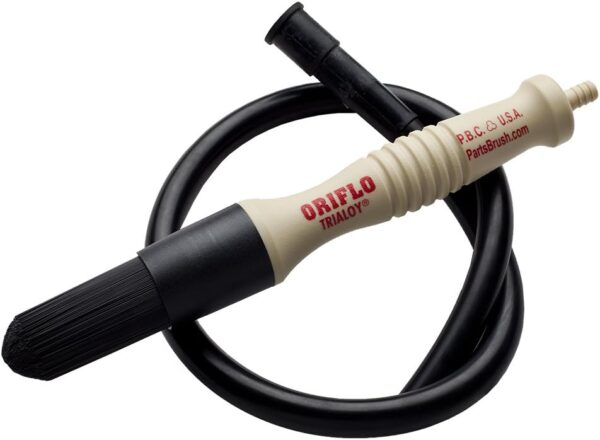
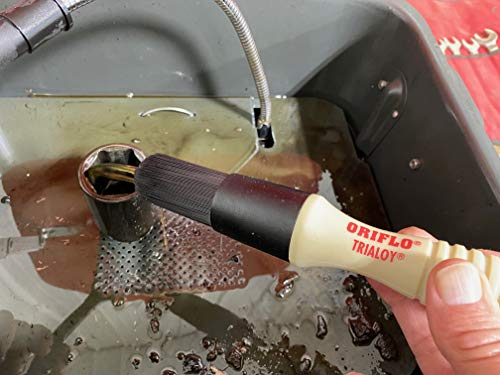
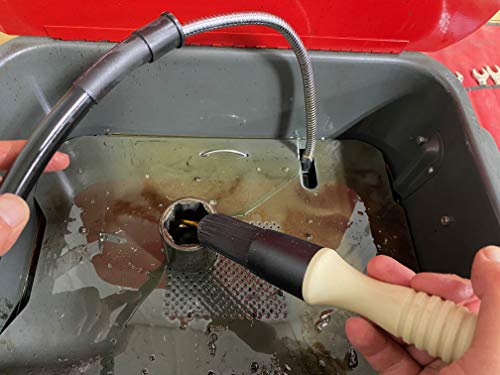
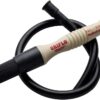
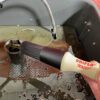
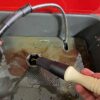
The Parts Brush OR101H is a flow through parts cleaning brush with a 28 inch hose, and the first thing to establish is that it does not connect to a pressure washer. It is designed to work with a circulating solvent parts washing machine, which is the solvent tank found in automotive workshops: a sink with a pump that recirculates cleaning solvent through a nozzle so parts can be scrubbed under a constant flow.
That distinction matters because the phrase parts washer sounds like a pressure washer and is a completely different machine. A pressure washer moves water at high pressure from a mains or engine driven pump. A solvent parts washer moves cleaning solvent at low pressure through a flexible line into a brush. Fitting this brush to a pressure washer is not what it is for, and anyone shopping the machines in the electric pressure washer category is looking at the wrong product page.
It also sits in this catalog alongside the mixed shelf of pressure rated gear we cover rather than with workshop equipment, which is a filing decision and says nothing about the product.
Who it is actually for
The reader this suits has a solvent parts washer in a garage or a shop and needs a replacement brush, or has bought a machine that shipped with a worn one. Parts Brush states that its brush ships as original equipment with most of the parts washers made in the world, and that the company invented the modern flow through parts cleaning brush, introducing this design in 1980 through the Parts Brush Division of Paint Brush Corporation.
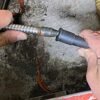
That history is the argument for buying it rather than a generic equivalent, and it is a manufacturer claim rather than something we can verify. What is checkable is the specification: the filament is a material Parts Brush calls Trialoy, a stiff polyester described as standing up to both petroleum based and water based cleaning solvents. The tube is Buna-N, which is nitrile rubber, chosen because it resists petroleum solvents. Getting the tube material right is not a detail: a hose made of the wrong elastomer swells, softens and fails when it sits in solvent.
The tip is bullet shaped, which Parts Brush says resists mushrooming. Mushrooming is what happens to a flat cut brush after enough scrubbing, when the bristles splay outward and stop reaching into a corner. The company states the brush is assembled in the USA with only the filament imported, and offers a no questions asked refund if the buyer is not satisfied.
Using a solvent parts washer safely
This is the section that matters most on this product, and none of it appears on the listing. Parts washing solvents are typically flammable or combustible and give off vapor that is heavier than air. A workshop parts washer needs adequate ventilation, and it needs to be kept away from ignition sources including pilot lights, space heaters, grinders, welding and smoking. Solvent vapor collects at floor level, which is why a basement or a closed garage is the wrong place for one.
Skin contact matters too. Solvents defat skin and some are absorbed through it, so solvent resistant gloves and eye protection are appropriate whenever the machine is running, and the safety data sheet for whatever solvent is in the tank is the authority on which protection is required. Follow the parts washer manufacturer’s instructions and the solvent supplier’s guidance rather than a product review.
Disposal is a legal matter rather than a housekeeping one. Used parts washing solvent is regulated waste in most jurisdictions and cannot be poured down a drain or onto the ground. Contact your local waste authority or a service company.
The brush itself needs less thought than the machine it attaches to, but two habits help. Let the flow do the work rather than pressing hard, because a flow through brush cleans by carrying solvent onto the part and forcing bristles against a casting only splays them faster. And hang the brush so the tube drains rather than leaving it coiled in the tank, since a hose left submerged spends its whole life in solvent instead of only its working hours.
The specifications, and the ones that are wrong
The published data is short but mostly clean. Item weight is 8.4 ounces, package dimensions are 9.76 by 7.95 by 1.42 inches, and both the hose length and the wand length fields read 28 inches, matching the title. The model number and the manufacturer part number both read OR101H. The listing first appeared on March 3, 2015 and the manufacturer states the item is not discontinued.
Two fields do not belong. The power source reads gasoline, which is meaningless for a hand brush with no motor of any kind. The UPC field carries two separate numbers rather than one, which usually indicates more than one variant sharing a listing.
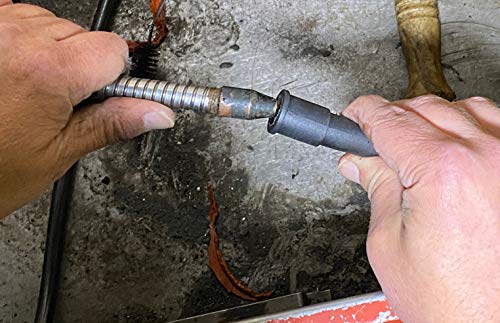
What is not published: the overall brush length, the bristle length, the ferrule material beyond a color description, the connector standard at the hose end, and which parts washer nozzles it fits. That last omission is the practical one, because the brush has to thread onto the nozzle of your particular machine. Check the fitting before ordering.
The sales position confirms the category point made at the top. Amazon ranked it 17,232nd in Automotive rather than in Patio, Lawn and Garden, 19th in car washing nozzles and hose attachments and 168th in pressure washers, and showed a rating of 4.8 out of 5 at capture with no rating count present in the record. A 4.8 average is high, and the Automotive placement is where this product genuinely belongs.
Alternatives worth comparing
There is no direct alternative in this catalog, because nothing else here connects to a solvent parts washer. The nearest neighbors are tools for cleaning vehicle components with water rather than solvent. The RIDGE WASHER undercarriage cleaner review covers a bar that rinses an underbody without crawling beneath it, and the VIGRUE two in one attachment review covers a tool that also works as a driveway broom.
For detail work with a pressure washer around a vehicle, the TOOLCY EJX-101 short gun review covers the format that puts a nozzle in your hand rather than at arm’s length. And for readers who arrived here doing automotive maintenance generally, our AstroAI pencil tire gauge review covers a different corner of the same shelf.
Who should buy it and who should not
Buy it if you run a solvent parts washer and need a replacement flow through brush, and you have confirmed it threads onto your machine’s nozzle. Do not buy it expecting a pressure washer accessory, because it is not one. And if you are setting up a parts washer for the first time, get the ventilation, the personal protection and the solvent disposal arrangements right before worrying about the brush.