Description
Who This Monitor Is For and What It Settles
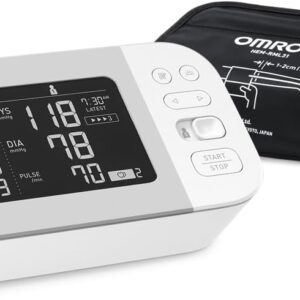
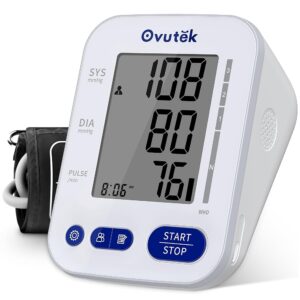
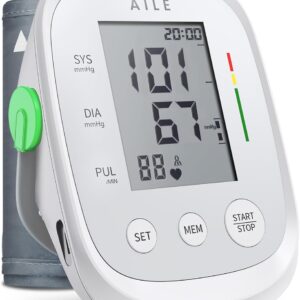
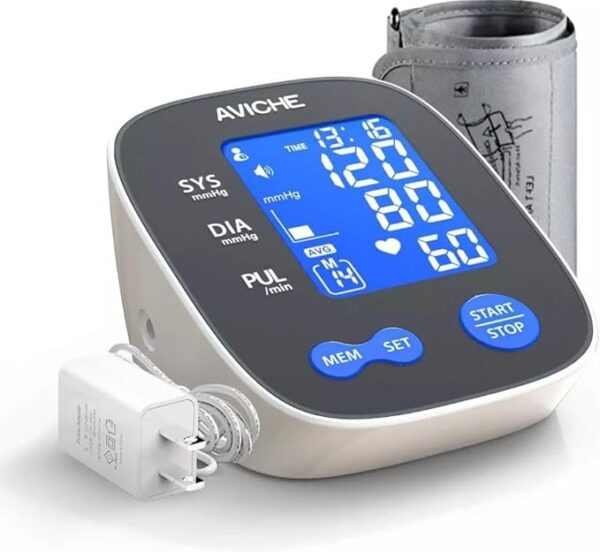
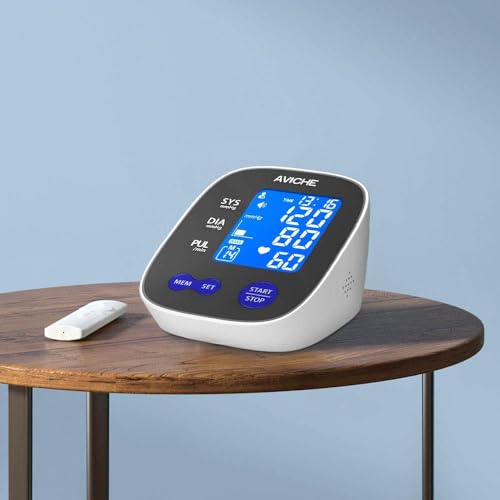
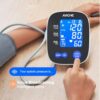
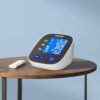
The AVICHE automatic arm monitor is a plain upper arm device with a large backlit LCD, two user memory holding 60 readings each, a wide range cuff and two ways of powering it. It is aimed at a household that wants one machine covering two people, running either on cells at a bedside or from an adapter on a desk.
Before the specifications, the standing point. This review describes a device and the data published for it. It does not interpret readings, it does not tell anyone what their numbers mean, and a home blood pressure monitor does not replace professional medical care. Readings belong in a conversation with a clinician who knows the person taking them.
The Specifications That Matter
Cuff circumference decides whether this monitor can work for a given arm, because a cuff that is too small or too large produces wrong readings on hardware that is functioning perfectly, and nothing on the display warns you. The metric figure is consistent everywhere it appears: 22 to 42 cm, in the product title, the band size field and a bullet.
The imperial conversion is where the page wobbles. The description gives the range as 8 and three quarter inches to 16 and a half inches, while a bullet gives it as 8.6 to 16.5 inches. Those are two different lower bounds for the same centimetre figure, and while the gap is small it is exactly the sort of number a slim armed buyer relies on. Work from the metric range, which appears three times and agrees with itself.
The same bullet also describes the cuff as 22 to 42 cm long, which is a description of the sleeve rather than of the arms it fits. Circumference is the specification that matters, and the rest of the listing does treat it that way, but the wording is loose enough to notice. Measure the bare upper arm at the midpoint between shoulder and elbow before ordering. If your measurement falls outside the range, a documented replacement such as the Alcarefam BD42 fitted to a compatible monitor is the sounder route.
Memory, display and power
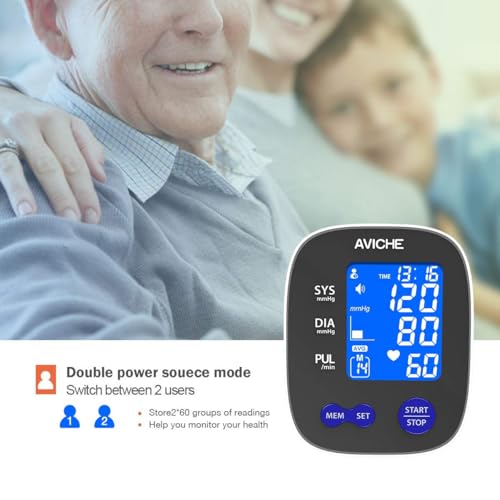
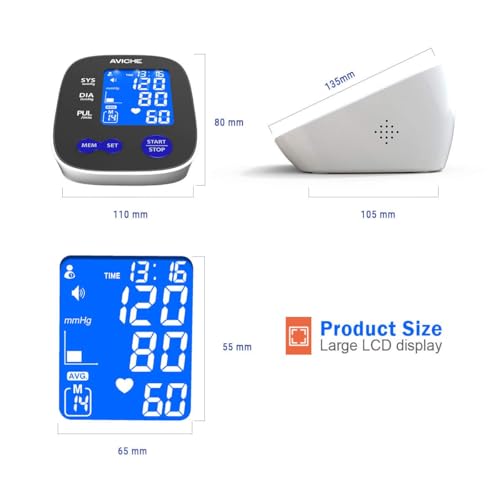
Memory is 60 readings for each of two users, 120 in total, with a switch between users described as a single button press. The display is an LCD described as large and luminous with multi-colored indicator lights, readable at night. No digit height is published, so the character size has to be judged from photographs.
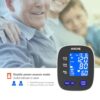
Power is offered two ways, on batteries or from an adapter, and the power source field agrees. The included components field, however, lists only a cuff, a battery and an instruction manual, with no adapter, while the product title says a plug is included. A bullet says four AA batteries. So the box contents are described three different ways and the adapter appears in one field and is missing from another. Confirm what actually ships before ordering, particularly if mains operation is why you chose this model.
The Talking Claim
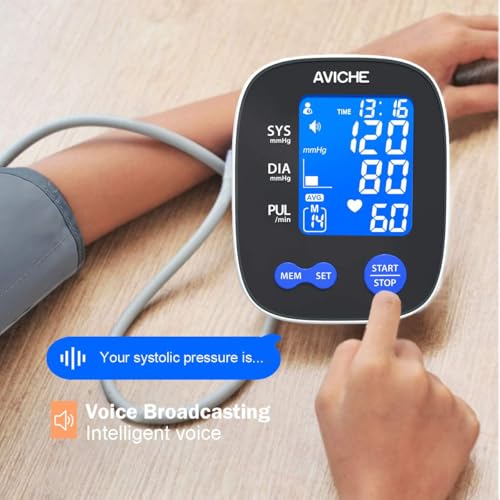
The product title advertises a talking pulse rate function. That is the only place on the entire listing where audio appears. Not one of the five bullets, none of the specification fields, none of the stored attributes and no part of the description mentions a speaker, a voice output, a volume control or a mute option.
The short description previously running on this page went further, describing voice guidance through the process and an audio feature for visually impaired users. Nothing in the source data supports either statement, so both have been removed rather than repeated. A talking function is either in the hardware or it is not, and if spoken results are the reason you are here, buy a monitor that documents the feature properly in its own specifications. The SmartHeart 01-742T talking monitor is the option in this catalog that does.
Clinical Certification, With No Certifier
The first bullet opens with two words and a period: clinical certification. Nothing follows. No certifying body is named, no standard or protocol is cited, no certificate number is given and no date appears. The description adds that each device is individually tested for certified accurate results, which repeats the word without adding anything a buyer could check.
Those are the manufacturer’s claims and not ours. We do not test devices and we do not verify manufacturer statements. No accuracy figure and no tolerance appears anywhere in the listing data, and no regulatory clearance is referenced. Certification without a certifier is a word rather than a fact, and a claim of individual testing implies a per-unit process that a bullet point cannot demonstrate. Validation status for home monitors can be checked independently through the registries medical bodies maintain, and that check is worth making before purchase rather than after.
One further bullet is worth noting simply because it says nothing at all. Under a heading about aviation technology, it reads as a slogan about transforming aviation technology to care for human health, with the word misspelled in its own sentence. A blood pressure monitor is not aviation equipment, and a bullet spent on that is a bullet not spent on a measurement range or a tolerance.
Using It Correctly
Fit the cuff to the bare upper arm rather than over a sleeve, with the tubing running down the inside of the arm toward the palm and the lower edge roughly an inch above the elbow crease, closed so one finger slides underneath with mild resistance. Sit with the back supported and both feet flat on the floor, rest the arm so the cuff sits level with the heart, and stay silent and still through inflation and release.
Rest for several quiet minutes before the first reading rather than measuring straight after activity, and use the same arm at the same times each day so the record compares with itself. Set the user slot before the first measurement so the two banks of 60 stay separate, and note that 60 readings each fills in a month of twice daily logging, so review and record the series rather than assuming it will keep.
Limits and Data Quality
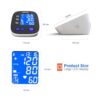
Nothing is published about the pressure or pulse measurement range, tolerance, averaging across readings, irregular heartbeat detection, digit height or battery life. The feature bullets in the source data arrived wrapped in raw HTML tags, and the description contains repeated escape tokens where line breaks should be and the word measurements misspelled twice. Two sets of dimensions are given, one for the package at 6.73 by 4.96 by 3.78 inches and one for the product at 4.33 by 4.13 by 3.15 inches, with weight recorded as 200 grams.
The point that outranks all of it: this device produces numbers and stores them. It does not diagnose, it does not replace professional medical care, and nothing in this review is guidance about anyone’s health or treatment.
Alternatives Worth Comparing
If you want the same simple two user arrangement from a manufacturer that publishes more of its own numbers, the A&D Medical UA-651 and the Greater Goods 0663 are the closest comparisons here. The full selection of upper arm monitors, talking models, wrist units and replacement cuffs sits in our blood pressure monitor category.
Who Should Buy It, Who Should Not
Buy it if your arm falls inside 22 to 42 cm, two people need 60 readings each, and a choice between AA cells and an adapter suits where the device will live. Skip it if the talking function in the title is the reason you were interested, if you need the adapter question settled before committing, if you want a certification you can actually look up, or if 60 readings per user is too shallow for how you log.