


Description
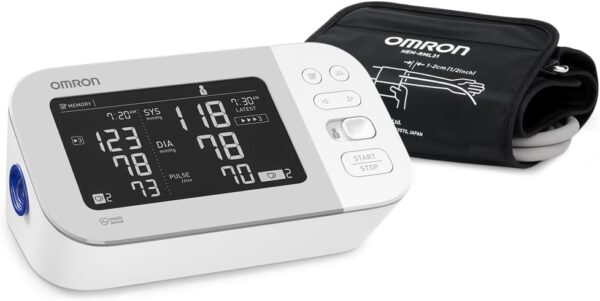
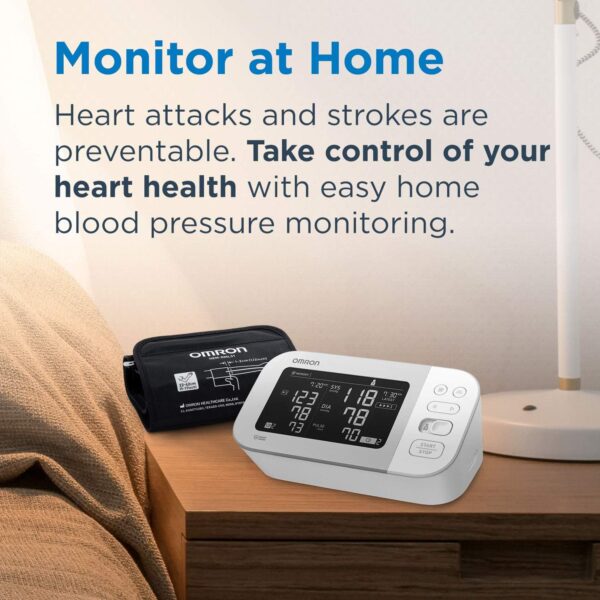
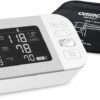
The OMRON Platinum is an upper arm blood pressure monitor with a D-ring cuff, Bluetooth to the OMRON Connect app, and storage for 200 readings across two users. It sits at the top of OMRON’s consumer range, above the Gold and Silver models. This review describes the device from its published listing data. It is not medical advice, and nothing here tells you what any reading means. A home blood pressure monitor does not replace professional medical care, and readings should be discussed with a clinician who knows your history.
Who this monitor is for and what it settles
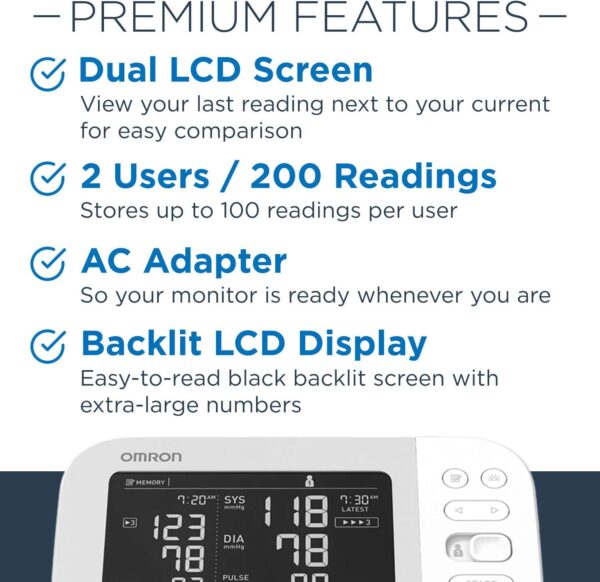
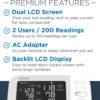
The Platinum settles whether the extra money over OMRON’s mid range models buys anything a home user will notice. Three published differences stand out. It stores 100 readings per user for two users, twice the Gold’s 60. It has a dual display screen that OMRON says shows the current reading alongside the previous one. And it ships with an AC adapter in the box, where several other monitors in the range do not, which matters if the device lives on a nightstand and you would rather not manage four AA batteries.
OMRON also publishes a six year warranty on this model, longer than the five years on the Gold and the two years on the Silver. For a device that will be used several times a week for years, warranty length is a more concrete difference than most of the feature list.
The specifications that matter
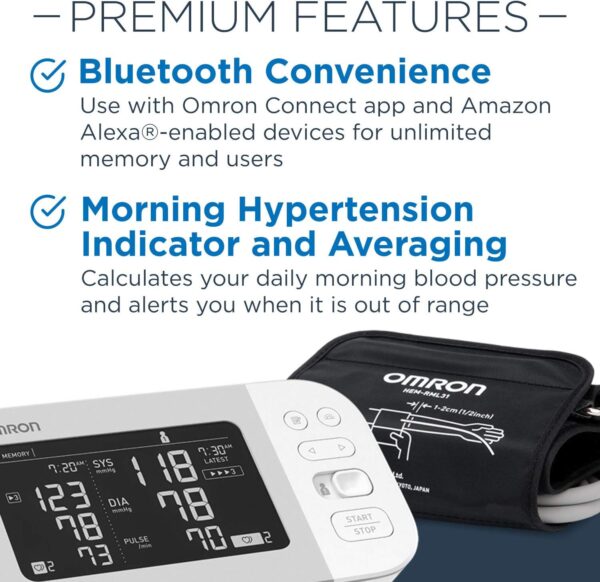
Published items include the D-ring upper arm cuff, Bluetooth connectivity to the free OMRON Connect app on iOS and Android with Amazon Alexa support through the OMRON Health skill, unlimited reading storage in the app, irregular heartbeat detection during measurement, a high contrast backlit dual display LCD, four AA batteries included, an AC adapter and a storage case. Device dimensions are 4.7 by 7.5 by 3.3 inches at a published weight of about 7.4 ounces. Feedback is recorded at 4.5 out of 5 across 24,615 ratings. Country of origin is given as Vietnam and the model number as BP5450.
The cuff range is not fully published, and cuff fit is the thing that matters most
Cuff fit is the single most consequential specification on any blood pressure monitor. A cuff that is too small or too large produces wrong readings on a device that is working perfectly. It is not a comfort issue, it is a measurement issue.
This listing publishes a band size of 17 inches and nothing else. That is one number where a cuff specification needs two: a minimum and a maximum arm circumference. The comparable OMRON Gold listing publishes 9 to 17 inches for its wide range D-ring cuff, and the Platinum is described in the same terms, but we are not going to assume the two are identical. Measure the circumference of your upper arm at the midpoint between shoulder and elbow before ordering, and confirm the full range with OMRON. If your arm falls outside a standard cuff, OMRON sells separate sizes such as the wide range replacement cuff, and the wider blood pressure monitor section lists cuffs in extra large and small sizes.
Using it correctly
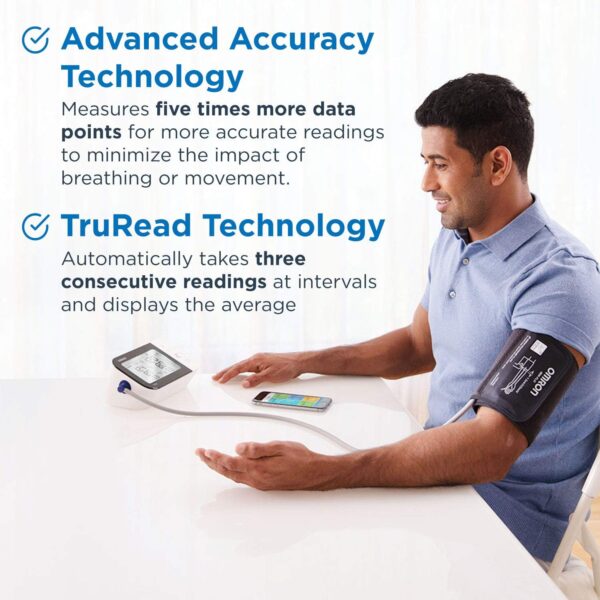
Consistency is what makes home readings useful to a clinician. Sit with your back supported and your feet flat on the floor, rest for several minutes before measuring, keep your arm supported at roughly heart level, place the cuff on bare skin rather than over a sleeve, and stay still and silent during the measurement. Take readings at the same times each day so the numbers are comparable. Follow the routine in OMRON’s manual, and if your clinician has given you a specific protocol, follow theirs.
The irregular heartbeat detection is worth understanding correctly. It flags that the device detected an irregularity in the pulse while measuring. It does not diagnose anything, it does not identify what the irregularity is, and it is not a substitute for an assessment by a clinician. If the symbol appears, note it and raise it at your next appointment.
The high morning average indicator works in a similar way. OMRON describes it as alerting the user when morning measurements fall outside a range the device uses, and OMRON’s own copy links that to cardiovascular risk. That framing is the manufacturer’s. Treat the indicator as a prompt to speak to a clinician, not as information about your health that you should act on yourself. This review will not tell you what any number or any alert means.
What the accuracy claims actually say
Three separate claims appear on this listing and they are not the same thing.
First, OMRON states the product is registered with the FDA as a medical device. Registration means the manufacturer has listed itself and its device with the agency. It is not the same as FDA clearance, which is a review of a specific device before marketing. Listings across OMRON’s range use both words, sometimes on the same page, and the difference is real. If regulatory status matters to you, look the device up in the FDA’s own databases rather than relying on the listing.
Second, OMRON states the product meets Validated Device Listing criteria for validation of clinical accuracy, based on independent review and acceptance of documentation submitted by the manufacturer. Note what that sentence says: the review is of documentation the manufacturer supplied. No validation protocol is named on this listing. Independent validation programs for blood pressure devices publish their own listings, and a reader can check the device’s status there.
Third, OMRON describes itself as the doctor and pharmacist recommended brand of blood pressure monitors. That is a marketing claim from the manufacturer and we cannot verify it.
We do not test devices and we do not describe any monitor as accurate, clinically accurate or medical grade in our own voice. What we can tell you is what the listing claims, who is making the claim, and where you can check it yourself.
Alternatives in this catalog
Directly below this model, the OMRON Gold linked above publishes the same cuff style with 60 readings per user and a five year warranty. Further down, the OMRON Bronze BP5100 drops Bluetooth entirely for buyers who do not want an app. For a different approach to connectivity, the Withings BPM Connect is a wifi device with no separate cuff tubing. A handful of monitors also sit in the mixed shortlist section alongside unrelated pressure products, which is worth knowing if a model you are looking for does not appear in the main monitor listing.
Who should buy it and who should not
Buy it if two people will share the device, you want the readings on your phone, and the AC adapter and six year warranty are worth the step up from the Gold. Do not buy it before you have measured your upper arm and confirmed the full cuff range with OMRON, because this listing publishes only one figure. And whatever you buy, remember that a home monitor is a way of collecting information for a clinician, not a way of managing a condition on your own.