Description
Who This Monitor Is For and What It Settles
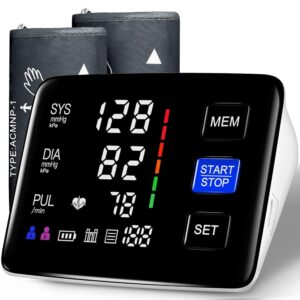
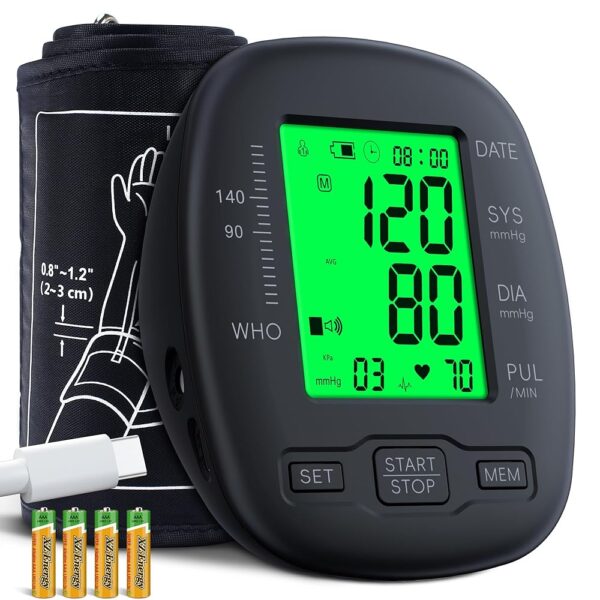
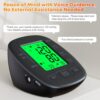
The GUAEVER AES-U131 is an upper arm blood pressure monitor with voice guidance through the whole measurement, a backlit screen, 198 stored readings across two users and an automatic three reading average. It is aimed at a household where someone needs to be talked through the process rather than left to read a manual, and it can be switched to silence when that person is not the one using it.
Before the specifications, the standing point. This review describes a device and the data published for it. It does not interpret readings, it does not tell anyone what their numbers mean, and a home blood pressure monitor does not replace professional medical care.
The Specifications That Matter
Cuff circumference decides whether this monitor can work for a given arm, because a cuff that is too small or too large produces wrong readings on hardware that is functioning perfectly, and nothing on the display warns you. The listing publishes 8.7 to 16.5 inches in the product title and in two separate bullets, which is decent consistency. The structured band size field is less helpful, recording only 16.5 inches, the upper bound with the lower bound dropped.
The listing also says, in its own words, that the right cuff size affects accuracy, which is correct and worth more than most of the marketing around it. Measure the bare upper arm at the midpoint between shoulder and elbow before ordering. The cuff is described as a 360 degree adjustable design with a nylon hook and loop strap.
Voice, memory and averaging
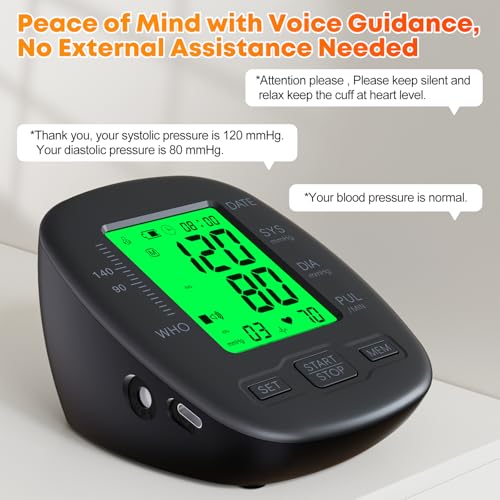
Voice guidance covers the entire process rather than just the result, which is the more useful implementation, and the listing states it can be turned off. It does not say whether the volume is adjustable or what language it speaks, both worth confirming before buying for someone who will depend on it.
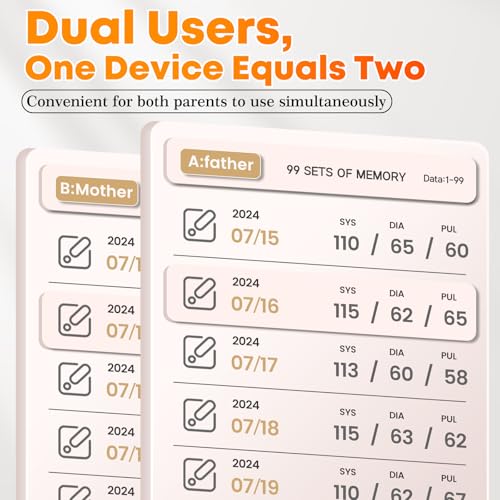
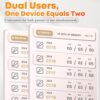
Memory is 99 readings for each of two users, 198 in total. The device also takes three readings to produce an average, which is the genuinely valuable feature here: single measurements vary and a short series is a steadier record. The listing suggests using the two banks as morning and evening for a single person rather than as two people, which is a sensible option, though what any comparison between them means is a question for a clinician and not for this page.
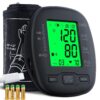
A measurement takes about 40 seconds, with automatic inflation, one button operation and an automatic shut-off after 60 seconds. Power is four AAA batteries, included, with a USB cable also in the box; the power source field says AAA battery powered and the listing never explains what the cable does, so confirm before assuming USB operation.
The Color Scale
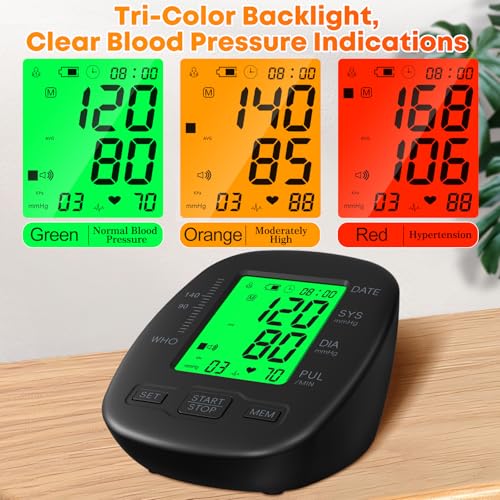
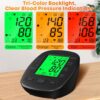
One bullet needs handling carefully. The listing describes a three color backlight that shows blood pressure status instantly, states that it follows a 1999 World Health Organization hypertension guideline, assigns a condition label to each of the three colors, and closes by saying the feature is useful for people who cannot judge the results on their own.
That last phrase is the problem, and it is why we are not repeating the color labels here. A color band on a home monitor compares a measured value against thresholds stored in firmware. It does not diagnose, it does not know anything about the person being measured, and it is not a substitute for judgment by someone qualified. Positioning it as a stand-in for that judgment is the seller’s framing and we do not adopt it.
The cited guideline is also more than twenty-five years old and has been revised repeatedly since. If the thresholds burned into this device follow a 1999 reference, the color it shows may not correspond to anything a current clinician uses. Record the numbers, ignore the color, and take the log to a clinician.
What Else the Listing Claims
The lead bullet says accurate pressure readings are a promise for your health, that each unit is calibrated individually, and that advanced chips ensure reliable results every time. That is the seller speaking and not us. We do not test devices and we do not verify manufacturer statements. No accuracy figure, no tolerance, no validation protocol and no regulatory clearance appears anywhere in the data, and a claim of individual calibration implies a per-unit process that a bullet point alone cannot demonstrate. Validation status can be checked independently through the registries medical bodies maintain.
The same bullet also states that the device checks heart rate and alerts the user to irregular heartbeats. That is a flag rather than a diagnosis. It indicates the device saw an irregularity during that measurement, without identifying what it is or separating a genuine finding from an artifact caused by movement, talking or a poorly placed cuff. Note it and raise it with a clinician.
Using It Correctly
Fit the cuff to the bare upper arm rather than over a sleeve, with the tubing running down the inside of the arm toward the palm and the lower edge roughly an inch above the elbow crease, closed so one finger slides underneath with mild resistance. Sit with the back supported and both feet flat on the floor, rest the arm so the cuff sits level with the heart, and stay silent and still through inflation and release. Voice guidance will prompt you through the sequence, but it cannot tell whether the cuff is the right size or sitting at the right height.
Rest for several quiet minutes before the first reading rather than measuring straight after activity, and use the same arm at the same times each day. Decide up front whether the two banks are two people or two times of day, and stay consistent so the record remains readable later.
Limits and the Wider Model Family
The description field is empty, so six bullets and a specification table carry everything. Nothing is published about the pressure or pulse measurement range, tolerance, or digit height. Weight is given as 6.4 ounces against dimensions of 6.3 by 4.3 by 3.5 inches, which is very light for an arm monitor containing an inflation pump and is more likely the monitor alone than the kit.
The manufacturer of record is Alicn Medical in Shenzhen, which supplies several brands in this catalog under the AES model prefix. The AES-U131 designation itself appears here under a second brand as the KIKEANG AES-U131, and related models include the ERDPAA AES-U231 and the Greetmed AES-U522. GUAEVER also appears with its own separate model in the GUAEVER BP351A. One factory, several brand names, and specification blocks that do not always agree.
The point that outranks the rest: this device produces numbers, speaks them and colors them. It does not diagnose, it does not replace professional medical care, and nothing in this review is guidance about anyone’s health.
Alternatives Worth Comparing
If voice guidance through the whole measurement is the deciding feature, compare listings on whether they document mute, volume and language, since most do not. The full selection of upper arm monitors, talking models and replacement cuffs sits in our blood pressure monitor category.
Who Should Buy It, Who Should Not
Buy it if your arm falls inside 8.7 to 16.5 inches, spoken guidance through the process is what you need, and an automatic three reading average matters to you. Skip it if you need documented accuracy or validation, if you need the voice volume and language confirmed first, if the USB cable’s purpose needs settling, or if you were relying on the color scale to interpret a reading, because that is not something a home device can do.