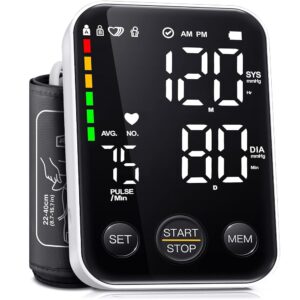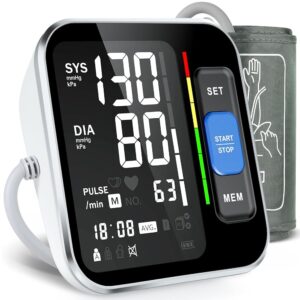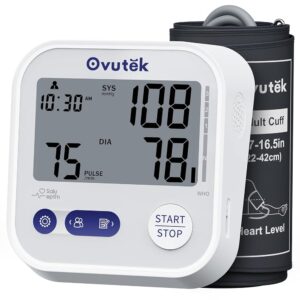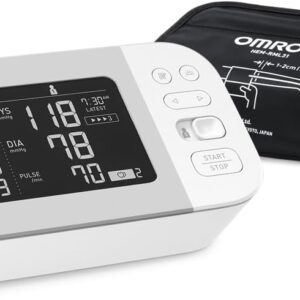

Description
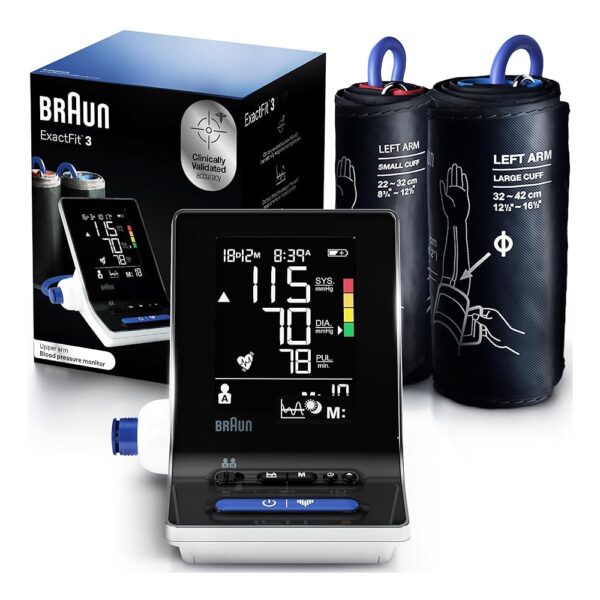
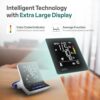
The Braun ExactFit 3, model BUA6150US, is an upper arm blood pressure monitor that ships with two cuff sizes rather than one, an extra large backlit display and storage for 40 readings each across two users. This review describes the device from its published listing data. It is not medical advice, it does not tell you what any reading means, and a home monitor does not replace professional medical care. Readings belong in a conversation with a clinician who knows your history.
Two cuffs in the box, and what the listing does not tell you about them
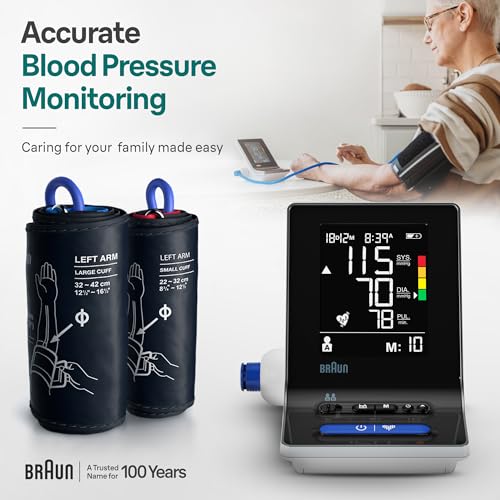
Cuff fit is the specification that determines whether a reading is worth anything, because a cuff too small or too large produces wrong numbers on a device that is working perfectly. Supplying two sizes instead of one is therefore a genuinely useful design decision, and it is the main reason to consider this monitor. Braun describes the two as S/M and L/XL, and the included components list confirms both are in the box along with the monitor, four AA batteries, a storage pouch and an owner’s manual.
The structured band size field gives a combined range of 8.75 to 16.5 inches. What the listing does not publish anywhere is where one cuff ends and the other begins. If your upper arm measures near the middle of that span you cannot tell from this page which cuff you should be using, and using the wrong one of two supplied cuffs produces exactly the error that having two cuffs was meant to prevent.
Measure your upper arm at the midpoint between shoulder and elbow before ordering, and read the individual cuff markings when the device arrives rather than guessing. Most cuffs carry printed range indicators and an index line showing whether the fit is correct. If your arm falls outside 8.75 to 16.5 inches entirely, a separate extra large cuff is the answer, subject to confirming compatibility with the monitor.
Who this monitor is for and what it settles
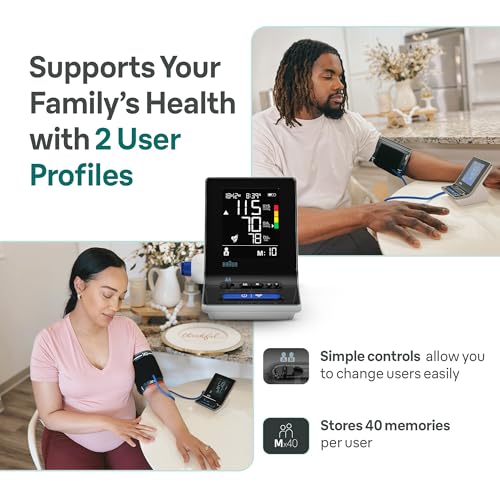
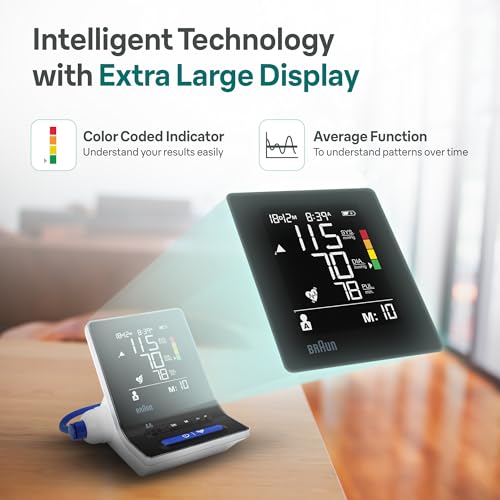
The ExactFit 3 settles the fit problem for households where two people have noticeably different arm sizes, which is the case a single wide range cuff handles poorly at the extremes. It also publishes an extra large backlit screen, soft inflation intended to reduce discomfort during measurement, and two user profiles storing 40 readings each.
Forty readings per user is modest. Devices such as the Invaxe AOJ-30G store 199 per user, and connected devices push the history to a phone. Nothing in this listing describes Bluetooth or an app, so 40 readings is your entire record per person. At twice daily measurement that is under three weeks before the oldest readings are displaced.
Using it correctly
Home readings are useful when the routine never changes. Sit with your back supported and feet flat on the floor, rest quietly for several minutes first, support the arm at roughly heart level, fit the cuff on bare skin rather than over a sleeve, and stay still and silent while the measurement runs. Take readings at the same times each day. Follow the owner’s manual for the exact fitting the device expects, and follow any protocol your clinician has given you in preference to a general routine.
The color coded display is the feature that needs the most care. Braun states that the color indicators follow American Heart Association guidelines and describes them as providing immediate clarity on your blood pressure status. That is the manufacturer’s description of its own feature. What the device actually does is sort a single reading into a fixed band. It knows nothing about your history, your medication, the time of day, or how you were sitting, and one reading is not a picture of anything. A color is not a diagnosis and it is not a reason to change what you are doing. This page will not tell you what any color or number means. If one surprises you, record it and raise it with a clinician.
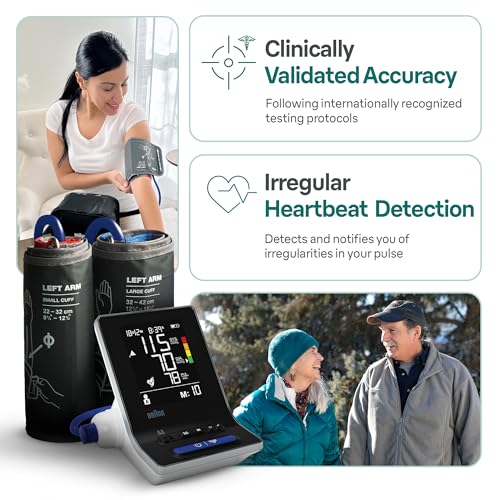
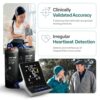
The irregular heartbeat detector is described in the listing as alerting you to potential heart health issues. Read that as a flag rather than a finding: the device noticed something irregular in the pulse while measuring, it does not identify what, and it diagnoses nothing. Note it and raise it at an appointment.
What the accuracy and averaging claims actually say
Braun’s headline bullet is “Clinically Proven Accuracy” and states the device adheres to international, FDA-recognized guidelines, marked with an asterisk whose footnote does not appear in the imported listing. The description also calls the device clinically validated. No protocol is named in either place, and no independent validation body is cited. That is weaker disclosure than the iHealth Track listing, which names the ESH 2010 protocol outright. Independent validation programs publish their own device listings and the FDA maintains its own databases; both are better places to check than a product page. We do not test devices and we will not describe any monitor as accurate, clinically accurate or medical grade in our own voice.
The averaging feature is described two different ways on the same listing. The product description says the device averages your last three readings for a more accurate assessment. A feature bullet says the irregular heartbeat detector alerts you to pulse irregularities based on the average of your last three days of readings. Three readings and three days of readings are not the same window, and the listing does not reconcile them. If averaging is part of why you are buying this device, ask Braun which one it does.
Feedback is recorded at 4.3 out of 5 across 2,412 ratings, which measures buyer satisfaction rather than measurement performance. The stated warranty is two years, and the device is described as FSA and HSA eligible. The manufacturer field reads AmazonUs/KAZC9 rather than a company name, and country of origin is given as China; Braun branded health devices are made under license rather than by Braun directly, which is worth knowing when seeking service.
Who should buy it and who should not
Buy it if arm sizes in your household differ enough that one cuff will not serve both people, you want a large screen, and 40 readings each is enough history. Do not buy it if you need a long on device record or app export, and do not buy it without measuring both arms first, because the listing does not tell you which of the two supplied cuffs covers which range. Alternatives with a single wide range cuff include the OMRON Gold BP5350, and further options sit in the mixed shortlist section alongside the main monitor listing.