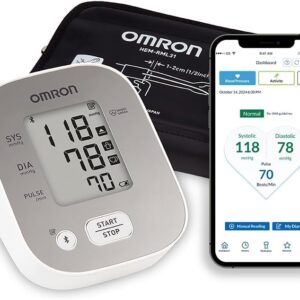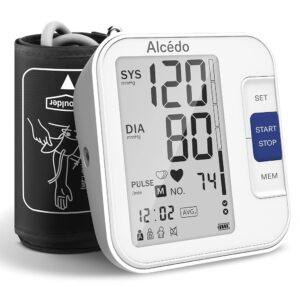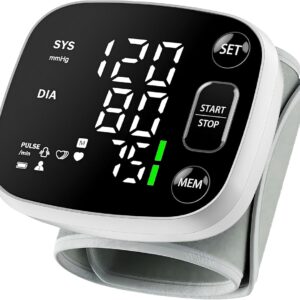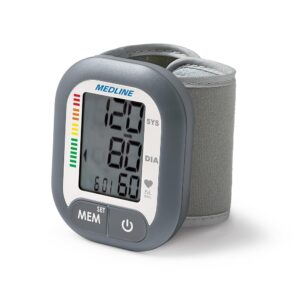
Description
Who the Greater Goods Bluetooth monitor is for, and what it settles
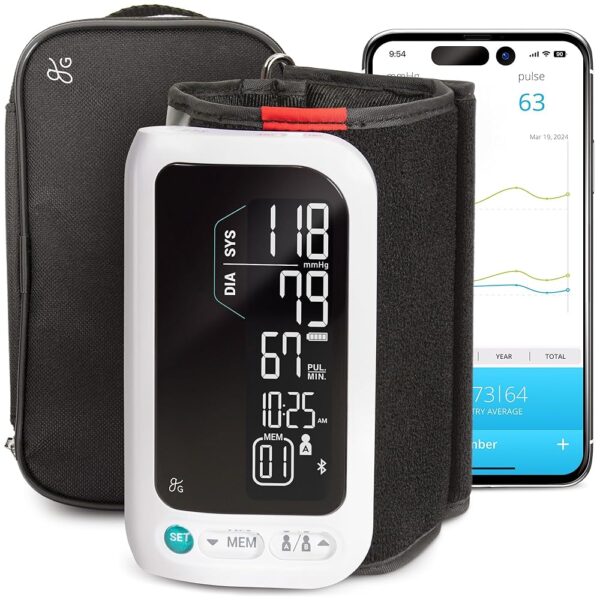
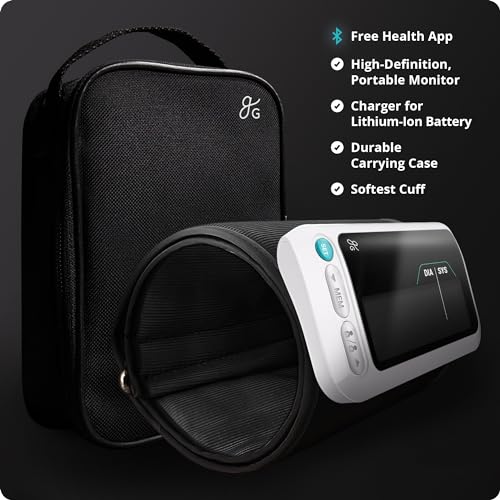
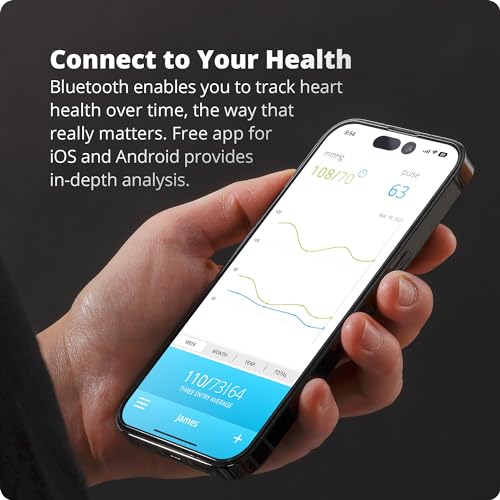
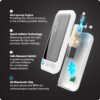
Greater Goods sells a small, tidy upper arm monitor with a rechargeable lithium battery, a backlit LCD, a 22 to 42 centimeter cuff and an in house app called Balance for iOS and Android. It is designed to travel: 10.4 ounces, a bag in the box, no disposable cells to hunt for in a hotel room.
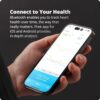
What it settles is the question of where your readings live. On the device, the published data says nothing at all about how many measurements are stored, and the listing does not name a memory figure anywhere. In the app, storage is described as unlimited. That points at a clear conclusion, which is that this monitor is designed on the assumption that the phone is part of the product. If you want a machine that keeps a useful record on its own, this is the wrong one, and the section on alternatives below has better options.
Whatever the app shows you over time, this is a home instrument. It does not diagnose anything, it does not replace professional medical care, and the pattern it records is something for your clinician to interpret rather than something to act on alone.
The specifications that matter
Cuff range
The band size is published as 22 to 42 centimeters, and both ends of the range are given, which is more than a surprising number of listings in this catalog manage. That covers most adult upper arms comfortably. Measure the midpoint of your upper arm with a soft tape before ordering, arm relaxed at your side. Cuff fit is the variable that most often makes a good monitor produce a bad number, and it is entirely within your control at the point of purchase.
Note that the listing gives no smaller or larger cuff as an option, and names no replacement band. If your measurement falls outside 22 to 42 centimeters, this is not a device you can size around later.
Battery and charging
Greater Goods describes a fast charging lithium ion cell and presents freedom from disposable batteries as a selling point. What it does not publish is the capacity, the charge time, the runtime, or the number of measurements per charge. There is also no charging cable in the listed contents, which show a cuff, a monitor and a bag. For a device sold on its rechargeable battery, that is an odd omission and one to raise with the seller before ordering.
App and users
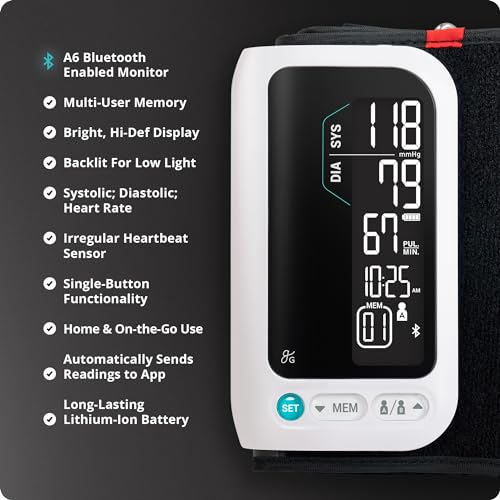
The Balance app is described as supporting unlimited entries and the monitor as compatible with two users. How the two users are separated, whether by profile on the device or only within the app, is not stated. If two people will share the unit, ask, because a shared record that cannot be split afterwards is worse than two separate logs.
Size and display
Listed dimensions are 4.72 by 8.15 by 2.72 inches and listed weight is 10.4 ounces. The display is an LCD with a backlight. No screen size is published.
Limits and gaps in the published data
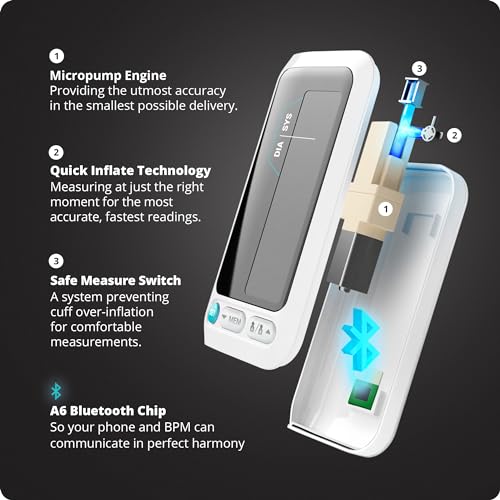
The marketing here leans on adjectives rather than numbers. The listing describes a top notch monitor with powerful, accurate interior components and a premium cuff. None of those are measurements. No validation protocol is named, no clearance number is quoted, and no accuracy tolerance appears anywhere in the data. That is not evidence against the device, but it means there is nothing for us to attribute and nothing we will assert in our own voice. If a documented validation matters to you, the Medline MDS7001B is the monitor in this catalog whose listing actually names a public register you can check, and that difference is worth more than any adjective.
There is no mention of irregular heartbeat detection, of averaging multiple measurements, or of a positioning check. Several cheaper monitors in this catalog publish all three. If those features matter to how you intend to use a monitor, their absence from the listing is a real gap rather than an oversight in our reading of it.
The listing also describes this as the ideal monitor for use on the go, using a superlative we will not repeat. Portability is genuine here, given the weight and the battery, but that is a claim about the shape of the object rather than about the numbers it produces.
Using it correctly
Sit for five minutes before you measure, back supported, feet flat on the floor, legs uncrossed. Bare the upper arm rather than rolling a sleeve, because a rolled sleeve acts as a second cuff. Place the lower edge of the band about an inch above the elbow crease with the artery marker over the inside of the arm, tightened so two fingers slide under with mild resistance. Rest the arm on a table so the cuff sits level with your heart, then stay quiet and stay still.
Because the device relies on the app for history, set the app up before you need it rather than on the morning of an appointment. Learn how to produce a summary you can show or send. If the phone is not present, assume the reading has to be written down, since there is no published on device memory figure to rely on.
Travel changes readings more than most people expect, through sleep, salt, alcohol and unfamiliar routines. If you are using this monitor mainly on the road, note the circumstances alongside each reading, because a clinician reading a log full of hotel measurements will want that context.
Alternatives worth comparing
Greater Goods sells several monitors in this catalog and they differ more than the shared branding suggests. Our original Greater Goods monitor review covers the plainer non connected unit, and the Greater Goods 0663 is the closest sibling. If you want a connected device from a company whose main business is connected health hardware, read the Garmin Index BPM review. For a similar price point with an app and a published memory figure on the device itself, the Renpho RP-BPM001S is the direct comparison. The full home blood pressure monitor section lists these together with their cuff ranges.
Who should buy it, and who should not
Buy this monitor if your arm measures inside 22 to 42 centimeters, if you travel with it and value the rechargeable battery, and if you are genuinely going to use the app rather than intending to. Skip it if you want readings stored usefully on the device, if you need averaging or an irregular heartbeat flag, or if you want a listing that puts numbers behind its adjectives. And whichever way you go, the app is a record keeper, not an interpreter: the reading is for your clinician to make sense of.