

Description
Who This Monitor Is For and What It Settles
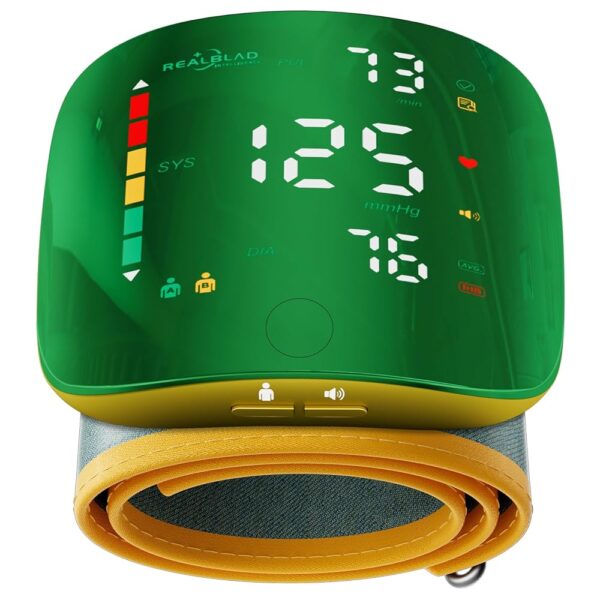
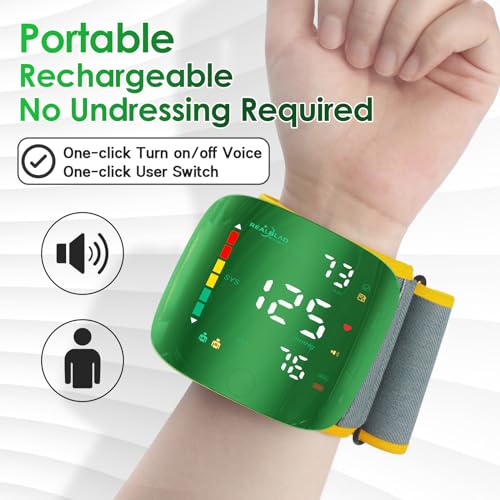
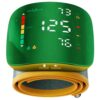
The GUAEVER wrist monitor is a small rechargeable device with a curved LED screen, a voice function that toggles on and off from one button, user switching from the same button, and a transparent storage case. Its most useful specification is the wristband: the title gives 5.31 to 9.25 inches, which reaches considerably further than the 7.6 or 7.7 inch ceiling most wrist devices stop at.
That reach is the reason to consider it. Before the specifications, two standing points. Wrist monitors are not equivalent to upper arm monitors: on the wrist, the angle of the joint and the height of the device relative to the heart both change the result, so positioning matters far more than it does on the arm, and upper arm devices remain the usual recommendation for home monitoring. And this review describes a device and its published data; it does not interpret readings, and a home monitor does not replace professional medical care.
The Specifications That Matter
The wrist range appears in the product title as 5.31 to 9.25 inches. The structured band size field says 13.5 inch, which cannot be a wrist measurement in inches and is almost certainly 13.5 centimeters, the metric equivalent of the 5.31 inch lower bound with the unit label wrong and the upper bound dropped. Work from the title figure and treat the band size field as unusable.
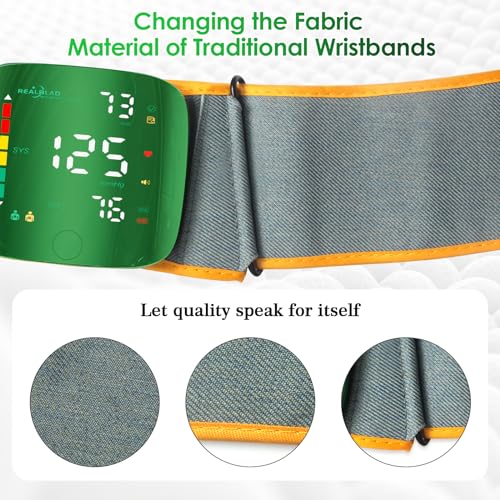
Measure around the bare wrist just above the wrist bone before ordering. A wristband that closes loosely will not seal against the skin, and one that will not close at all is simply the wrong purchase; neither failure shows on the display. The listing describes the band as upgraded, thicker and longer than its predecessor specifically to fit more wrist sizes, which is consistent with the wide published range.
Power, voice and controls
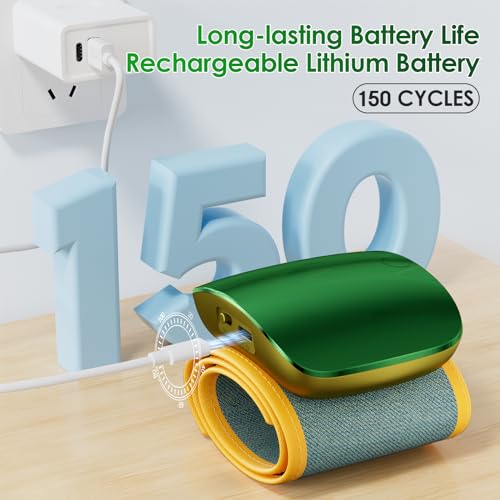
Power is a built-in lithium cell rated at 150 uses per charge, charged over a Type-C cable that comes in the box. No charge time and no charge cycle count is published, so how long a charge takes and how many years the cell lasts are both unknown. Note that the brand quotes the same 150 use figure on its GUAEVER BP351A upper arm monitor, which is a very different device, so treat it as a house figure rather than a measured result for this specific unit.
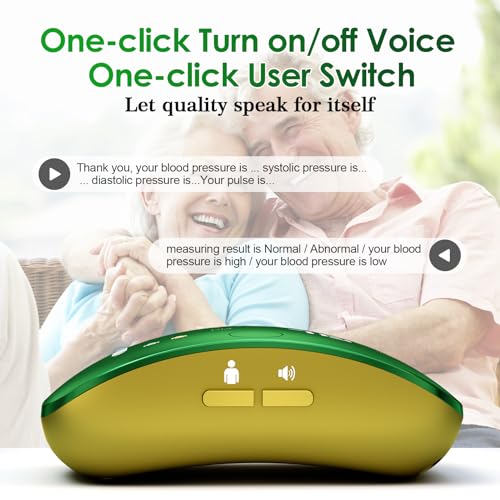
The voice function can be switched on or off, and the same button switches users, which is a sensible piece of interface design on a device with very few controls. The listing does not say whether volume is adjustable or what language the voice speaks, both worth confirming before buying for someone who will depend on it. The screen is an LED panel described as curved, read with a touch rather than a press.
What Is Not Published
Memory capacity is missing entirely. The listing describes switching between users, which implies more than one memory bank, but never says how many readings the device holds for each of them, or in total. On a monitor whose whole purpose is to build a record over time, that is a substantial omission. Ask the seller before buying if a stored log matters to you, or plan on writing readings down.
Also absent: any pressure or pulse measurement range, any tolerance, any accuracy figure, any validation protocol, any regulatory clearance, any averaging function, any irregular heartbeat indicator, any digit height and any charge time. There is no item model number field either, only the brand name in the manufacturer slot, which makes the device hard to research independently.
Notably, there is no accuracy claim on this page at all, which is unusual on this shelf and, in its way, more honest than a claim with nothing behind it. Validation status for home monitors can be checked independently through the registries medical bodies maintain, and on a wrist device that check matters more, not less, because the wrist adds a positioning variable on top of whatever the hardware does.
What the Bullets Spend Their Space On
It is worth naming how the listing is written, because it explains the missing figures. The first bullet is entirely about appearance: green paired with gold plating, described as visually pleasing and considered a symbol of luck, offering an uplifting atmosphere every time you lift your wrist. A later bullet describes the design as foolproof and notes that the manual is easy to understand.
Color and packaging are legitimate things to mention. Spending the lead bullet of a medical device listing on luck, while never publishing the memory capacity, is a choice about priorities. The stored components field is also corrupted with raw JavaScript from the retailer’s page, and the phrase describing the manual repeats the word illustrated twice, both signs of a page assembled quickly.
The listing carries a customer rating of 3.8 out of 5, the lowest of any product covered in this batch. That is a marketplace figure rather than an assessment of the hardware, and it is reported here as context, not as a judgment.
Using It Correctly
Rest the forearm on a table, sit with the back supported and both feet flat on the floor, and raise the wrist so the device sits level with the heart, supporting the elbow as the manual directs. Keep the wrist straight rather than bent, keep the device against bare skin with the sleeve pushed clear, and stay silent and still through the measurement.
Rest for several quiet minutes before the first reading rather than measuring straight after moving around, and use the same wrist at the same times each day so the record compares with itself. Set the user before the first reading, charge the device fully before starting a run of measurements, and keep your own written log given the undocumented memory.
Limits and the Statement That Matters
The product dimensions read 2 by 2 by 1 inch at 4.23 ounces, which is small even for a wrist unit and may describe part of the package rather than the device. The description field is empty, so five bullets and a specification table carry everything, and the size field says large without saying large what.
The point that outranks the rest: this device produces numbers and speaks them. It does not diagnose, it does not replace professional medical care, and nothing in this review is guidance about anyone’s health. Buyers weighing other wrist options should compare the GUAEVER BP186W wrist monitor the second GUAEVER wrist listing and the SureLife WRS-35H on published wrist range and memory depth. The full shelf sits in our blood pressure monitor category.
Who Should Buy It, Who Should Not
Buy it if your wrist measures inside 5.31 to 9.25 inches, a standard wrist device has been too small for you, and a rechargeable unit with toggleable voice suits how you will use it. Skip it if you can use an upper arm cuff, if you need to know how many readings it stores before committing, if you need a model number you can research, or if a listing that leads with luck and color rather than specifications is not one you want to buy a medical device from.