
Description
Who This Monitor Is For and What It Settles
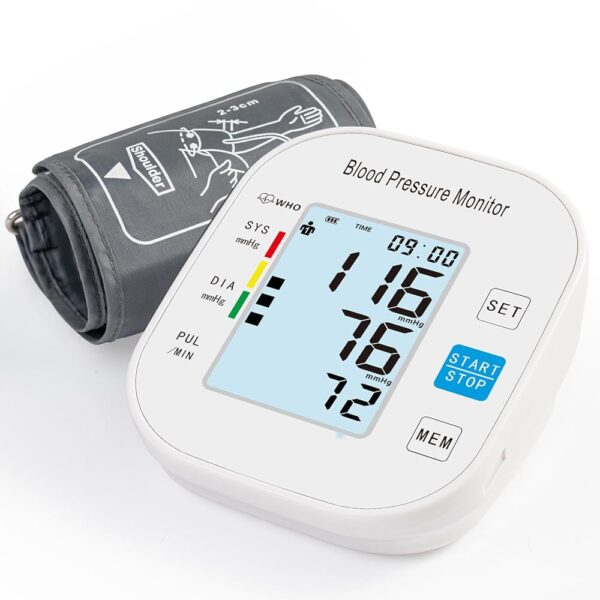
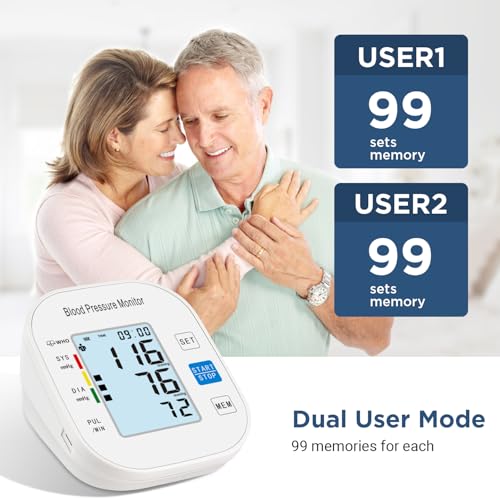
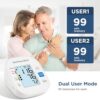
The Maraawa BSX583 is an automatic upper arm blood pressure monitor with a large backlit screen, two user memory banks of 99 readings each, and an auto shutoff. The listing aims it at older adults and at households where more than one person keeps a log, and it leans on legibility and simple buttons rather than connectivity. There is no app, no Bluetooth and no export.
Stated plainly at the outset: this review describes a device and the specifications published for it. It does not interpret readings, it does not tell anyone what their numbers mean, and a home blood pressure monitor does not replace professional medical care. The readings this device produces belong in a conversation with a clinician who knows the person taking them.
The Specification That Is Missing
The cuff circumference range is the single most consequential number on any blood pressure monitor listing, and this listing does not publish it. Not in the title, not in the bullets, not in the specification table, not in the stored product attributes. What appears instead is the phrase large cuff, repeated in the title and in a bullet that says the cuff is made of comfortable material and fits most size users. Most size users is not a measurement.
Worse, the listing contradicts even that. The structured size field says Medium while the product title and the bullets say large cuff. A buyer choosing on the strength of the words on the page cannot tell whether a large arm is covered or not.
Measure your bare upper arm at the midpoint between shoulder and elbow before considering this device, and then ask the seller for the actual centimetre range in writing. If the answer does not come, buy a monitor that publishes the figure. A cuff that is too small or too large produces wrong readings on hardware that is functioning perfectly, and nothing on the screen warns you when it happens. If your arm is at the larger end, starting from a documented cuff such as the iHealth extra large blood pressure cuff and working back to a compatible monitor is a safer sequence than hoping a vague large cuff fits.
What Is Actually Documented
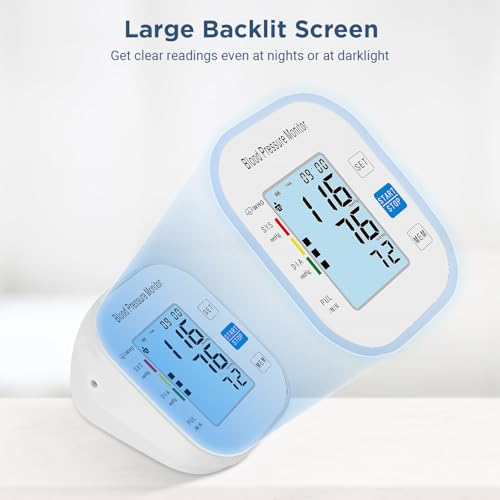
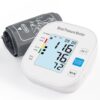
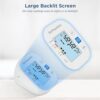
The screen is a backlit LCD, described as readable in low light. No digit height is published, so how large the numbers actually are has to be judged from photographs. Memory is two banks of 99 readings, which is generous and enough for months of twice-daily logging before anything is overwritten. The device shuts itself off after 60 seconds of inactivity, which matters more than it sounds when the monitor is battery powered and lives in a drawer.
Power and physical size
The specification block says the unit is battery powered, while the included components list a cuff and a Type-C cable. No battery type, count or expected life is published, and the listing never explains whether the Type-C port charges an internal cell or powers the device directly. That is the same ambiguity that runs through most of the budget end of this category, and it is worth resolving before buying if the monitor will live somewhere without a convenient outlet.
Body dimensions are given as 5.2 by 2.78 by 4.41 inches with a listed weight of 1.08 pounds. The weight is high for a plastic monitor of that size and probably describes the packed kit rather than the unit alone, but the listing does not say so. The model designation is BSX583 and the manufacturer of record is simply the brand name Maraawa, with no separate factory named.
What the Listing Claims, and Who Is Making the Claim
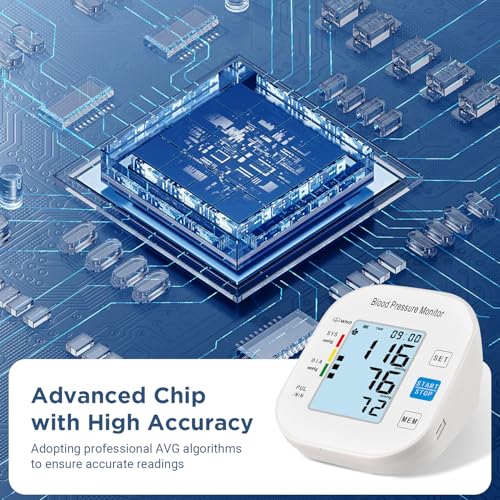
A bullet headed with the word accuracy states that the monitor carries an upgraded high-tech chip that provides accurate blood pressure detection, and that under correct posture and use conditions it helps the user keep track of blood pressure health at any time. That is the seller’s claim and not ours. We do not test devices and we do not verify manufacturer statements. No accuracy figure, no tolerance, no validation protocol and no regulatory clearance appears anywhere in the listing data, so there is no substance behind the word beyond its use as a selling point.
The bullet does at least concede that correct posture and use conditions are a precondition, which is truer than most listings admit. Anyone who wants a device whose performance has been checked by someone other than its seller should look up validation status through the registries medical bodies maintain, before purchase rather than after.
Using It Correctly
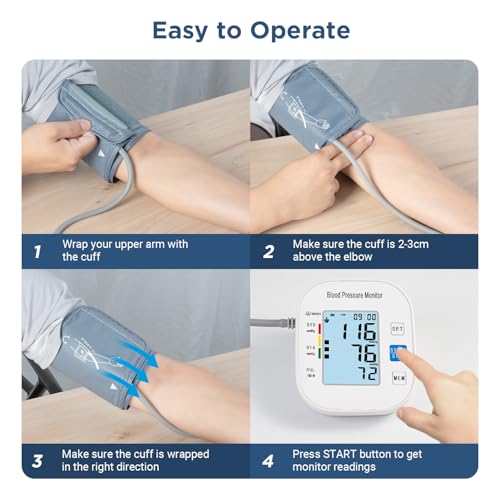
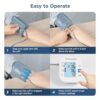
Wrap the cuff on the bare upper arm rather than over a sleeve, with the tubing running down the inside of the arm toward the palm and the lower edge roughly an inch above the elbow crease. Fit it snugly, so one finger slides beneath with mild resistance. Sit with the back supported and both feet flat on the floor, rest the arm so the cuff sits level with the heart, and stay silent and still through inflation and release. Rest for several quiet minutes before the first reading rather than measuring straight after moving around, and use the same arm at the same times each day so the log compares with itself.
Set the user bank before the first reading. With 99 slots per user there is no reason to let two people share one bank, and separating them from the start avoids a log that cannot be untangled later. If a third person needs to keep records, this device runs out of banks and something with deeper user support is the better purchase.
Limits, Duplicates and the Statement That Matters
The description field is empty. Five bullets and a short specification table carry the entire technical case, and one of those bullets is about after-sales service rather than the product. Nothing is published about the pressure or pulse measurement range, tolerance, irregular heartbeat detection, averaging across multiple readings, battery life, or digit height.
There is also a catalog level oddity. The BSX583 model designation appears on several product pages here under different brand names, including a Laukum BSX583 and a second Laukum BSX583 listing, alongside a separate Maraawa monitor listing. Identical model numbers under different brands usually means one factory supplying several sellers, and it means the published specifications on any one page should not be assumed to describe the hardware sold on another.
The point that outranks everything above: this device collects numbers and stores them. It does not replace professional medical care, it does not diagnose, and nothing in this review should be read as guidance about anyone’s health or treatment.
Alternatives Worth Comparing
If a big legible display and two-user memory is the requirement, but you want the cuff range in writing, the A&D Medical UA-651 covers the same ground with fuller documentation behind it. The wider set of upper arm units, cuffs and connected models is filed in our blood pressure monitor category, and it is the right place to start if the missing cuff figure here is a dealbreaker, which for many buyers it should be.
Who Should Buy It, Who Should Not
Buy it only if you have obtained the actual cuff circumference range from the seller and it covers your arm, and you want a simple two-user monitor with a large backlit screen and no connectivity. Skip it if you are buying blind on the phrase large cuff, if the size field saying Medium against a title saying large is the kind of contradiction that bothers you, if you need documented accuracy or validation, or if more than two people will keep logs on it.