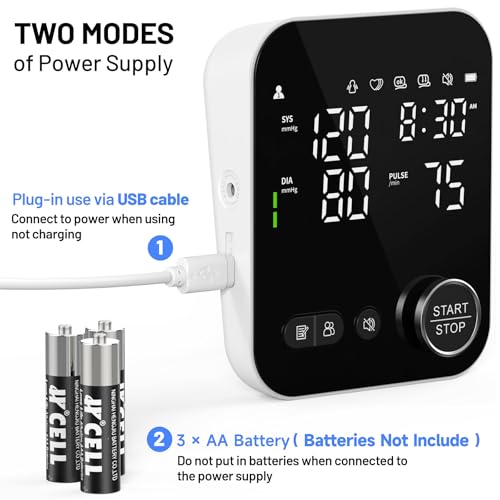
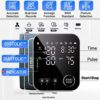
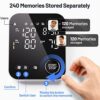
Description
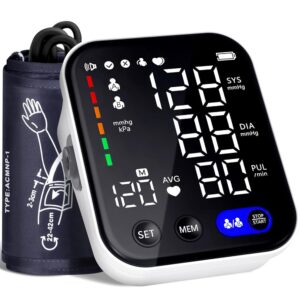
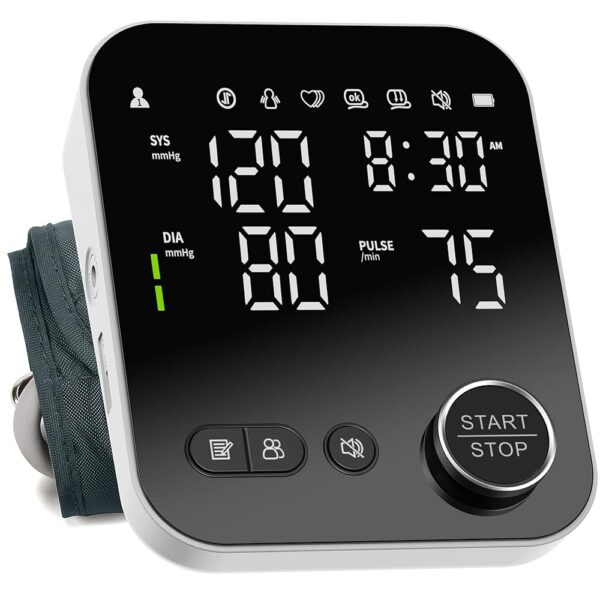
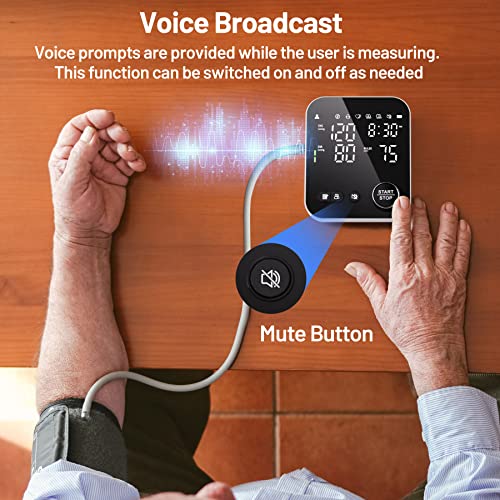
The NOUYAN BA31 is an upper arm blood pressure monitor with a large LED display, a voice function, storage for 120 readings each across two users, and a cuff self check feature that is genuinely unusual at this price. This review describes the device from its published listing data. It is not medical advice, it does not tell you what any reading means, and a home monitor does not replace professional medical care. Readings belong in a conversation with a clinician who knows your history.
The cuff self check is the reason to look at this device
Cuff fit and cuff placement are the two things that determine whether a home reading is worth recording. A cuff that is the wrong size, or the right size worn wrongly, produces incorrect numbers on a device that is functioning perfectly, and nothing about the machine tells you it has happened. That silent failure is the main weakness of home monitoring.
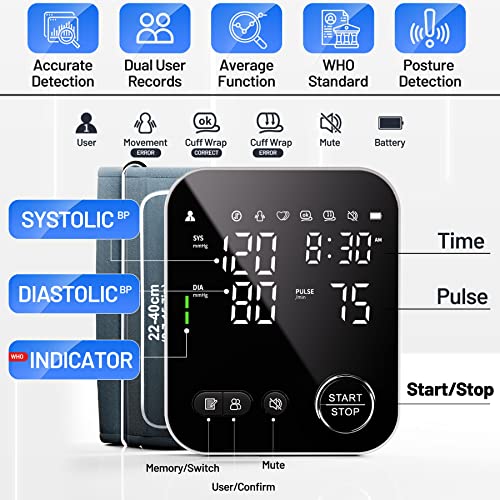
NOUYAN publishes a cuff self check function that it describes as intelligently checking whether the cuff position is correct so that the measurement is not affected. If it works as described, it addresses the exact problem most listings ignore entirely. That is a more useful feature than a larger memory or a brighter screen, and it is worth more attention than the marketing gives it. Ask the seller what the device does when it detects a bad fit: whether it refuses to measure, warns you, or simply flags the reading afterward.
The cuff range is published, but not where it should be
The product title and a feature bullet both state an adjustable cuff of 8.7 to 16.5 inches. Those agree with each other, and 16.5 inches is a reasonably generous upper bound, better than the 15.7 inch cuffs on several competing devices such as the Oklar C02.
What is missing is the structured band size field, which is absent from this listing entirely. Anyone comparing devices from the specification table rather than reading the marketing copy would find nothing at all under cuff size. That is a data gap rather than a product fault, but it is the kind of gap that causes people to order the wrong device. Measure your upper arm at the midpoint between shoulder and elbow before ordering and work from the 8.7 to 16.5 inch figures.
Who this monitor is for and what it settles
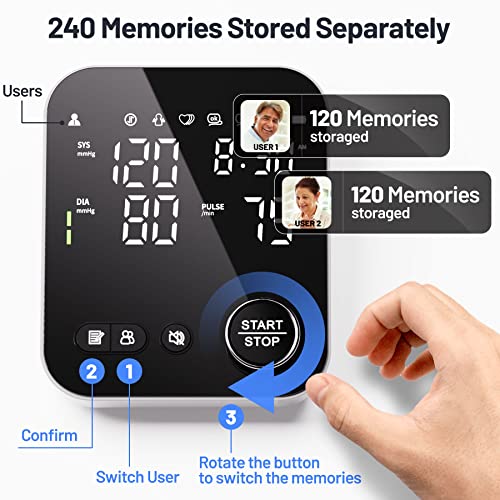
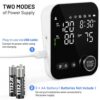
The BA31 settles whether you can get a voice enabled, self checking monitor cheaply. It publishes a 3.32 by 2.19 inch LED display, one button operation with automatic shut off, two user profiles at 120 readings each, and two power modes covering batteries and plug in operation. NOUYAN states a service life of up to five years.
Nothing in the listing describes Bluetooth, an app or data export, so the 120 readings per user on the device are the complete record you can bring to an appointment. Batteries are explicitly not included in the package, so order them alongside unless you intend to run it from the mains.
The published weight cannot be right
A feature bullet describes the monitor as weighing 182 grams and lighter than a traditional upper arm monitor. The specification block publishes 14.07 ounces, which is about 399 grams. Those differ by more than a factor of two, and portability is one of the things the listing is selling. The 182 gram figure may refer to the monitor body without the cuff, or the larger figure may be a packaged weight, but the listing does not say. If weight matters to your purchase, ask NOUYAN which figure describes what.
The included components field is similarly unhelpful, listing only “Bag” on a product that obviously ships with a cuff and a monitor. Read the product page contents list rather than the specification table.
Using it correctly
Consistency is what makes home readings useful. Sit with your back supported and feet flat on the floor, rest quietly for several minutes before starting, support the arm at roughly heart level, fit the cuff on bare skin rather than over a sleeve, and stay still and silent while the measurement runs. Take readings at the same times each day so they can be compared with one another. Follow the instruction manual for the exact positioning the device expects, and follow any protocol your clinician has given you in preference to a general routine.
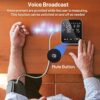
The voice function reads results aloud, which is a real accessibility feature rather than a novelty for anyone whose eyesight makes a screen difficult. Combined with one button operation, it makes this a reasonable candidate for an older user who finds an app or a multi button interface an obstacle.
The listing does not mention irregular heartbeat detection, which most competing monitors advertise, and publishes no warranty term. Assume neither is offered unless NOUYAN confirms otherwise, and note that the five year service life claim in the bullets is a statement about expected lifespan rather than a warranty commitment.
What the listing does and does not support
The previous description on this page claimed readings comparable to professional grade monitors. Nothing published on this listing supports that. No validation protocol is named. No independent validation body is cited. There is no statement about FDA clearance or registration anywhere.
Some listings in this catalog do name something a reader can check: the iHealth Track cites ESH 2010 performance standards, and the OMRON Bronze BP5150 cites a Validated Device Listing process, imperfect as that wording is. If independent validation status matters to you, the listings maintained by validation programs and the FDA’s own databases are the places to look rather than a product page. We do not test devices and we will not describe any monitor as accurate, clinically accurate or medical grade in our own voice.
Feedback is recorded at 4.8 out of 5 across 410 ratings, on a product first listed in November 2024. Both the small sample and the unusually high average are worth keeping in perspective, since established brands in this catalog cluster around 4.3 to 4.5. The manufacturer field reads Shenzhen Jamr Technology Co Ltd rather than NOUYAN, and that manufacturer is behind several other brands in the blood pressure monitor section, including the ATUDER B23.
Who should buy it and who should not
Buy it if the cuff self check and the voice function solve a real problem for you, your upper arm measures between 8.7 and 16.5 inches, and 120 readings per user is enough history. Do not buy it if you need data export, a published validation protocol, or a settled figure for how much the thing weighs. Further options sit in the mixed shortlist section alongside unrelated pressure products.