


Description
What this product is
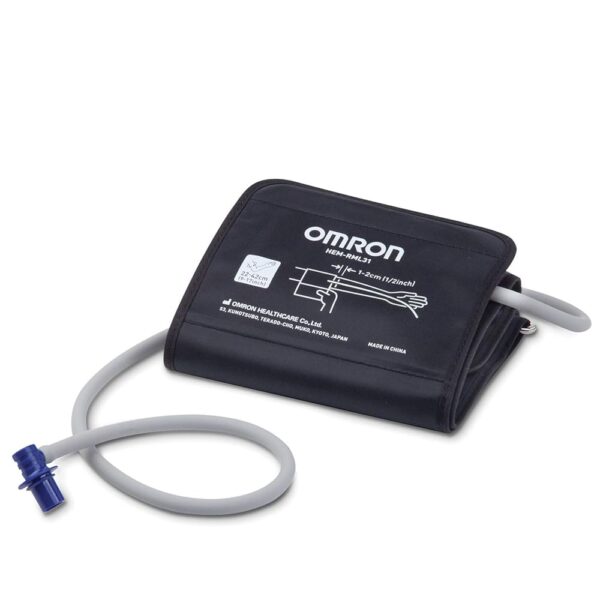
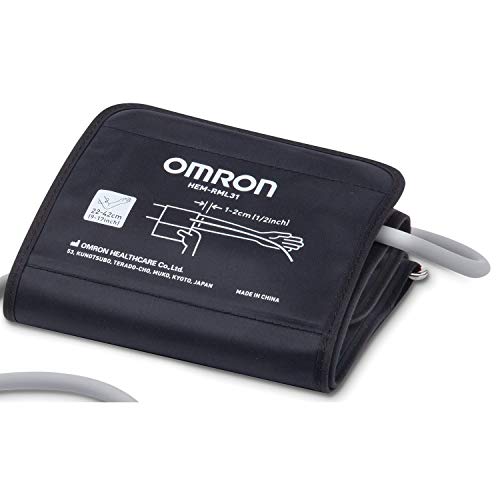
This is a replacement cuff, not a blood pressure monitor. The box contains the Omron Wide Range D Ring cuff and its air cable, and nothing that produces a reading. It attaches to a monitor you already own.
What makes this listing more useful than most cuff listings is that it publishes a compatibility list, and that is the section to read before anything else. A cuff that fits your arm but not your machine is a wasted purchase, and a cuff that physically connects to a machine it was not designed for is worse than a wasted purchase.
Compatibility, published in full
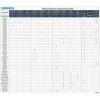
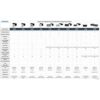
The listing states that this cuff is compatible only with the following Omron blood pressure monitor models: BP5350, BP5450, BP7200, BP7250 and BP7900. That is an unusually clear statement and it should be treated as the boundary rather than as a suggestion. If your monitor is not on that list, this is not the cuff for it, even if the connector appears to fit.
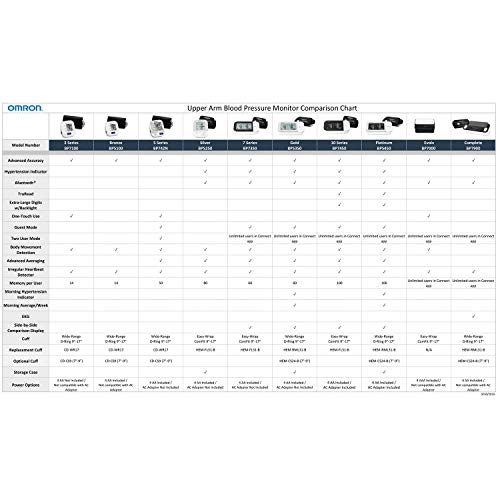
Several of those models appear elsewhere in our catalog, so the pairing is easy to check. The BP5350 is Omron’s Gold model, the BP7250 is a 5 Series wireless model and the BP7900 pairs a monitor with an EKG function.
Size, and how to establish yours
The cuff covers upper arm circumferences of 9 to 17 inches, recorded in the stored attributes as 22 to 42 cm, and it is described as a soft, contoured, wide range cuff that wraps around the arm. The D ring is the fitting aid: you thread the strap through the ring and pull it back on itself, which is what allows one person to fit the cuff on their own non dominant arm without help.
The listing gives the right instruction for sizing and it is worth following exactly. Use a cloth measuring tape and measure the circumference of your bare upper arm, midway between elbow and shoulder. The listing also makes the underlying point plainly, which is that a cuff which is neither too tight nor too loose is what supports a reading you can rely on. A cuff of the wrong size produces a number that does not match what the same monitor would record with the right one, and nothing on the display tells you.
Using it correctly
Fit the cuff on a bare upper arm rather than over a sleeve, with the lower edge clear of the elbow crease and the air tube running down the inside of the arm toward the hand. Thread and tighten the D ring so the cuff is snug rather than tight. Sit with your back supported, feet flat on the floor and uncrossed, and support the arm so the cuff sits at about the height of your heart. Stay quiet and still during the measurement.
Check the cuff periodically. Slack fabric, hook and loop fastening that has stopped gripping, hardened tubing or a bladder that no longer holds air are all reasons to replace it. If your readings have become erratic and the cuff is several years old, the cuff is the first thing to suspect rather than the monitor.
Whatever monitor it is fitted to, the readings are a record. What a reading means, whether a pattern across your readings is significant, and whether anything about your care should change are questions for a healthcare professional who knows your history and your treatment. A home blood pressure monitor does not replace professional medical care, and no reading from one should be used to adjust medication on your own.
Limits and gaps
The compatibility list is the limit as well as the strength. Five models is a narrow window, and Omron sells many more machines than that, so check your model number before ordering rather than after. No warranty term appears in the record we hold and no material specification is given. The cuff and cable weigh 7.05 ounces and the packed dimensions are about 6.4 by 5.2 by 1.7 inches.
Two stored fields are worth ignoring. The power source attribute reads corded electric, which is meaningless for a cuff, and the size field records 17 inch pack of one, which is the top of the range rather than a size designation.
A general point about replacement cuffs. Buying the cuff the manufacturer designed for your monitor keeps the device and cuff pairing the manufacturer intended. A third party cuff may fit physically while creating a combination that was not assessed together, which is a reason to prefer the original where the price difference is modest.
Why cuffs are model specific, and what a D ring changes
It is reasonable to assume that a cuff is a cuff, and that anything with the right connector and the right size will do. In practice two things vary between designs. The first is the connector itself, where internal diameters differ by fractions of an inch between manufacturers and sometimes between generations of the same manufacturer’s machines. The second is the bladder: its length and width relative to the arm, and how it is positioned inside the sleeve, both influence the pressure signal that travels back down the tube to the monitor. A machine expects the cuff it was designed around.
That is why a published compatibility list is worth more than a general assurance of fit, and it is why this listing is a better one to buy from than a cuff listing that stays silent on the question. If your monitor is on the list, you are buying the pairing the manufacturer intended.
The D ring is a separate matter and it is about fitting rather than measurement. Instead of wrapping a cuff and hoping it stays put while you press the fastening down, you pass the strap through a metal loop and pull it back on itself, which lets you tension the cuff with one hand and holds that tension while you fasten it. Anyone measuring their own arm, and particularly anyone with reduced grip or dexterity, will find this easier than a plain wrap cuff. It also makes it more likely that the cuff ends up at a consistent tightness from one day to the next, which is worth something when you are trying to build a series of readings that can be compared with each other.
Alternatives worth comparing
The nearest alternative is the Omron Easy Wrap ComFit cuff, which covers the same 9 to 17 inch range but does not publish a compatibility list, so this one is the safer choice if your monitor appears above. Among the monitors this cuff is stated to fit, the Omron Gold BP5350, the Omron 5 Series BP7250 and the Omron BP7900 are covered separately. If your machine is outside the list, the Omron BP5100 Bronze is an example of a monitor supplied with its own wide range D ring cuff. Our index of home monitors and cuffs lists sizes across the catalog.
Who should buy it and who should not
Buy it if you own one of the five listed Omron models, your arm measures between 9 and 17 inches, and your existing cuff has worn out. Do not buy it for any other monitor, do not buy it expecting a device that produces readings, and do not force a connector that does not seat properly.