


Description
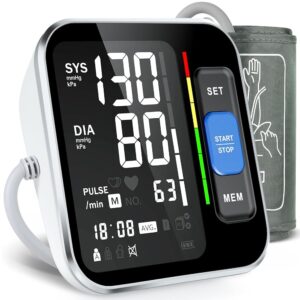
The Urion U81RH is an upper arm blood pressure monitor with a large backlit LED screen, one button operation and by far the largest memory of any device in this catalog. It has been on sale since late 2020 and has accumulated a substantial feedback record. This review describes the device from its published listing data. It is not medical advice, it does not tell you what any reading means, and a home monitor does not replace professional medical care. Readings belong in a conversation with a clinician who knows your history.
Who this monitor is for and what it settles
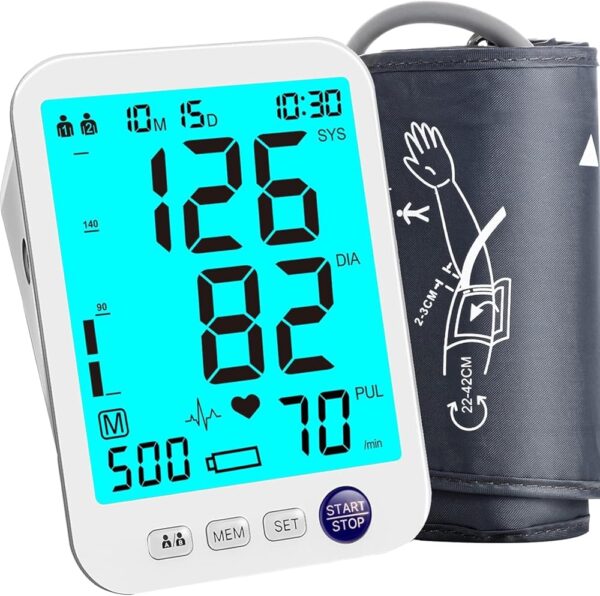
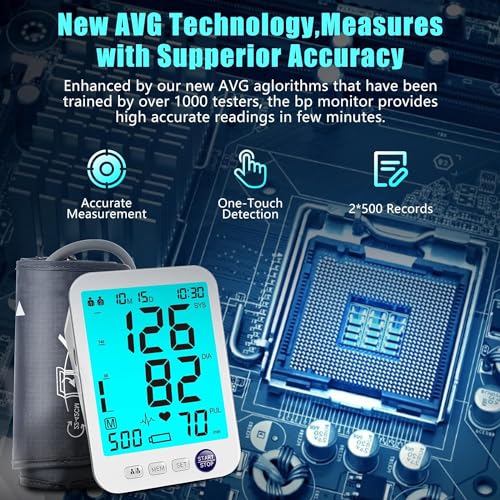
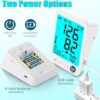
The U81RH settles the memory question outright. It stores 500 readings for each of two users, a thousand in total. Most devices in the blood pressure monitor section hold between 14 and 240, and several rely on a phone app for anything beyond a week. Nothing in this listing describes Bluetooth or an app, so the thousand readings on the device are the complete record you can bring to an appointment.
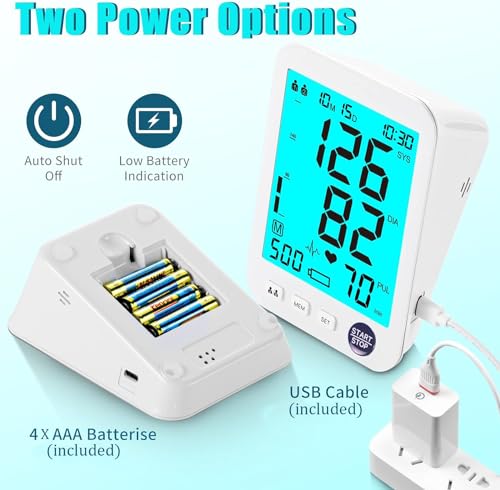
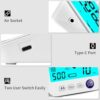
For someone measuring twice a day and keeping a long history without wanting a smartphone involved, that is the entire argument for this device. The rest of the specification is ordinary: one button operation, a measurement Urion states takes about 30 seconds, a large LED screen, four AAA batteries included, and a carrying case. Published weight is 10 ounces.
The cuff range, published consistently
Cuff fit is the specification that decides whether a reading is worth recording. A cuff that is too small or too large produces wrong numbers on a device that is working perfectly, and technique does not compensate for it.
Urion publishes a long upper arm cuff fitting 22 to 42 centimeters, which the listing also gives as 8.7 to 16.5 inches, and the structured band size field agrees at 22 to 42 centimeters. That is a proper two ended range, the two units convert correctly to each other, and the upper bound of 16.5 inches is generous next to the 15.7 inch cuffs supplied with several competing devices such as the Oklar C02. Measure your upper arm at the midpoint between shoulder and elbow before ordering.
Using it correctly
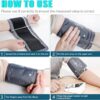
Home readings are useful to a clinician when the routine never changes. Sit with your back supported and feet flat on the floor, rest quietly for several minutes before starting, support the arm at roughly heart level, fit the cuff on bare skin rather than over a sleeve, and stay still and silent while the measurement runs. Take readings at the same times each day so the numbers are comparable. Follow the instruction manual for the exact fitting the device expects, and follow any protocol your clinician has given you in preference to a general routine.
Urion includes something in its own copy that most sellers leave out, and it deserves credit. A feature bullet headed “Why data result different” explains that readings vary because of factors including stress, the time of measurement and the way the cuff is wrapped, describes that variation as common, and advises taking repeated measurements and avoiding anything that might affect the result beforehand. That is honest and useful guidance from a manufacturer, and it is a better description of how home monitoring behaves than most premium listings offer.
The other feature named in the bullets needs the opposite treatment. Urion describes a three color line on the left of the screen that, in its words, helps you clearly know your health condition. It does not. It is a scale that sorts a reading into a band the manufacturer has programmed, with no knowledge of your history, your medication, the time of day or how you were sitting. A color is not a diagnosis and it is not a reason to change anything you are doing. This page will not tell you what any color or number means; if one surprises you, record it and raise it with a clinician.
What the listing does and does not support
The first feature bullet is headed “Accurate Blood Pressure Monitor” and the previous description on this page went further, claiming readings comparable to professional monitors. Nothing published on this listing supports either statement. No validation protocol is named. No independent validation body is cited. There is no statement about FDA clearance or registration anywhere.
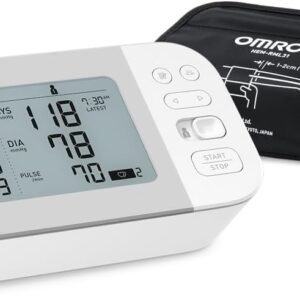
Some listings in this catalog do name something checkable: the iHealth Track cites ESH 2010 performance standards and OMRON’s listings cite a Validated Device Listing process. Naming a protocol lets a reader check the claim; the word accurate on its own does not. If independent validation status matters to you, the listings published by validation programs and the FDA’s own databases are the places to look rather than a product page. We do not test devices and we will not describe any monitor as accurate, clinically accurate or medical grade in our own voice.
Feedback is recorded at 4.4 out of 5 across 10,429 ratings. That is a large sample and it measures buyer satisfaction, not measurement performance.
The listing also publishes no warranty term and does not mention irregular heartbeat detection, which most competing devices advertise. Assume neither is offered unless Urion confirms otherwise.
One specification field is a placeholder
The listing publishes two different sets of dimensions. One reads 3.94 by 3.94 by 3.94 inches, a perfect cube, and the other reads 5 inches long by 3 inches wide by 4 inches thick. A device is not a cube, and the same 3.94 inch cube appears on unrelated listings in this catalog, so read the first as an unpopulated default and the second as the real figure. It is a small thing, but it is a reminder that any single field on these listings can be an import artifact rather than a manufacturer statement.
Alternatives in this catalog
Within Urion, the U80AH is the sibling model worth comparing field by field. If you want a similarly generous cuff with a named validation process behind it, the OMRON Gold BP5350 publishes 9 to 17 inches and a five year warranty at a much higher price. A handful of further monitors sit in the mixed shortlist section beside unrelated pressure products.
Who should buy it and who should not
Buy it if a long on device history matters more than anything else, your upper arm measures between 8.7 and 16.5 inches, and you do not want a phone app in the loop. Do not buy it if you need a published validation protocol, if you want data export, or if you were relying on the color scale to tell you something about your health, because it cannot.