Description
Who This Monitor Is For and What It Settles
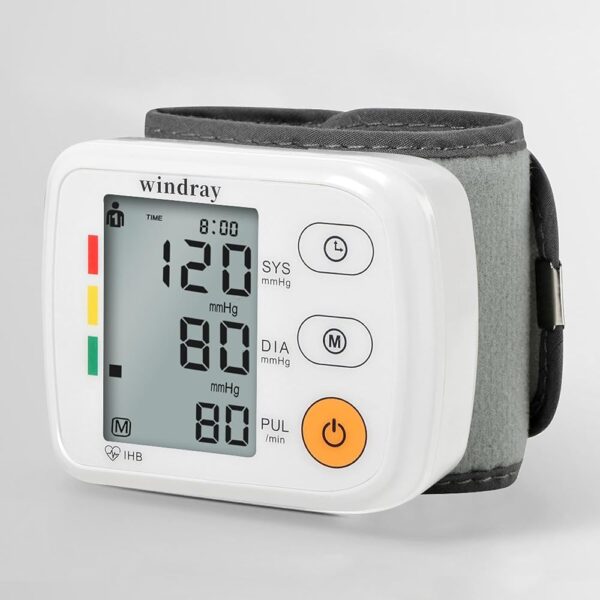
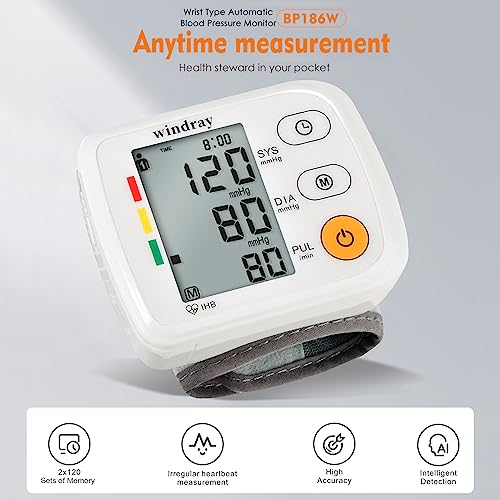
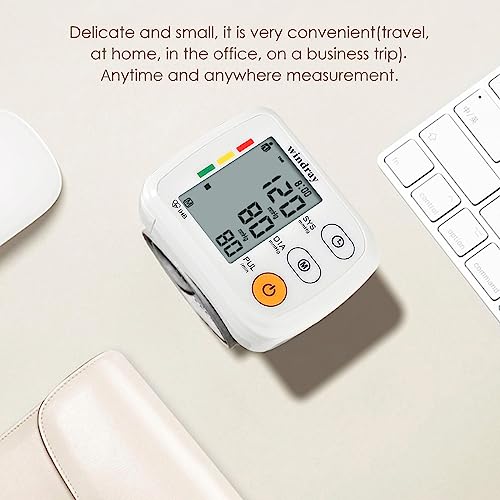
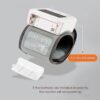
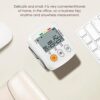
The Windray BP186W is a small wrist blood pressure monitor with one button, a digital display and 120 stored readings for each of two users. It weighs 4.16 ounces and measures 3.15 by 2.76 by 1.22 inches, so it genuinely is pocket sized, and portability is what the listing sells it on.
The form factor is the first thing to settle. Wrist monitors are not equivalent to upper arm monitors. On the wrist, the angle of the joint and the height of the device relative to the heart both change the result, so positioning matters far more than it does on the arm, and upper arm devices remain the usual recommendation for home monitoring. A documented arm unit such as the Omron BP5100 Bronze is the fair comparison before choosing a wrist device for convenience alone. This review describes a device and its published data; it does not interpret readings, and a home monitor does not replace professional medical care.
The Wrist Range Is Not Published
This is the gap that matters most and it belongs at the top rather than buried. No wrist circumference figure appears anywhere in the listing data. The product title says adjustable cuff. A bullet says a wide range of adjustable wrist cuff for most wrist sizes. There is no band size field in the specification block and no measurement in the stored attributes.
Most wrist sizes is not a number. A wrist strap that will not close is simply the wrong purchase, and one that closes loosely will not seal against the skin, so the reading is taken through a cuff that cannot apply even pressure. Neither problem produces an error on the display; the device reports figures either way.
Measure around the bare wrist just above the wrist bone and ask the seller for the range in centimeters before ordering. If the answer does not come, buy a wrist monitor that publishes the figure. For reference, competing wrist devices in this catalog publish ranges from about 13.5 cm at the low end to as much as 23.5 cm at the top, so the span across products is wide enough that the missing figure genuinely cannot be guessed.
What Is Actually Documented
Memory holds 120 readings for each of two users, and the listing is specific about the behavior when a bank fills: the newest reading overwrites the oldest. That is a small detail most listings omit and it is worth knowing, because it means a long log needs reviewing before it rolls over rather than after.
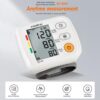
Operation is one button, fully automatic, measuring blood pressure and pulse together. The display is described only as digital and portable with large readable numbers, with no size and no digit height published. The body is plastic and the unit weighs 118 grams, matching the 4.16 ounce figure elsewhere in the record.
The battery contradiction
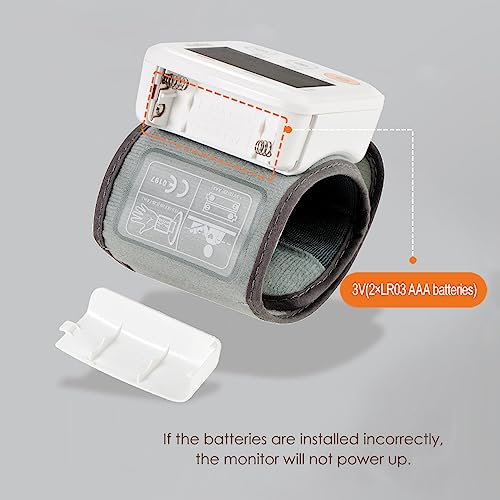
The specification block says two AAA batteries are required, without saying they are included. The included components field lists a cuff and a battery. A note at the end of the bullets states in parentheses that the product does not include batteries.
Those cannot all be right. Buy two AAA cells at the same time and treat the components field as optimistic, because arriving with a monitor you cannot switch on is an avoidable annoyance. The same note also reminds users to observe the polarity when installing them, which suggests the battery compartment is not foolproof.
The Classification Indicator
One bullet needs naming rather than summarizing. It describes a hypertension classification indicator, states that it is based on established international guidelines, and then maps each color of the indicator to a named severity of a medical condition.
We are not repeating that mapping and this review does not tell anyone what any color means. What can be said is what the feature actually is: a color band on a home monitor compares a measured value against thresholds stored in the device’s firmware. It does not diagnose, it knows nothing about the person being measured, their history or their treatment, and it cannot distinguish a genuine pattern from a single reading taken badly. The listing cites established international guidelines without naming one, giving no edition, no date and no issuing body, so there is nothing a reader could look up even if they wanted to.
The practical response is simple. Record the systolic figure, the diastolic figure and the pulse. Ignore the color. Take the log to a clinician, who is the only party in a position to assess it.
Credit where it is due
A later note on the same listing is the most honest sentence on the page. It says the main reason for inaccurate results is that the usage method is incorrect, and strongly recommends watching the usage instructions, maintaining correct posture during measurement, and not speaking or moving. That is true, it applies to every device in this category, and very few sellers say it. The listing also makes no accuracy figure claim, no validation claim and no clearance claim anywhere, which is unusual restraint.
Using It Correctly
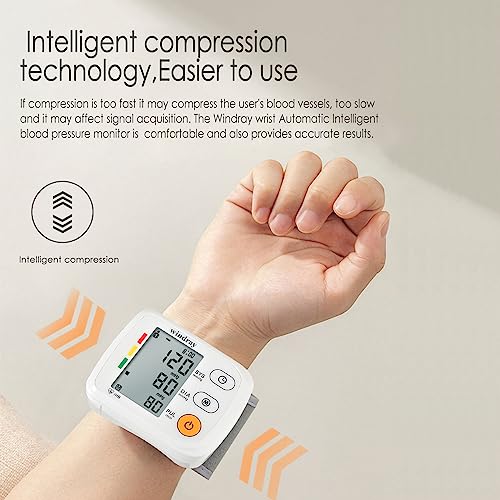
Rest the forearm on a table, sit with the back supported and both feet flat on the floor, and raise the wrist so the device sits level with the heart, supporting the elbow as the manual directs. Keep the wrist straight rather than bent, keep the device against bare skin with the sleeve pushed clear, and stay silent and still through the measurement.
Rest for several quiet minutes before the first reading rather than measuring straight after moving around, and use the same wrist at the same times each day so the record compares with itself. Set the user bank before the first reading so the two logs stay separate, and review the stored series before it reaches 120 and starts overwriting.
Limits and the Statement That Matters
The description field is empty, so seven bullets and a specification table carry everything. Nothing is published about the pressure or pulse measurement range, tolerance, averaging across readings, irregular heartbeat detection, digit height or battery life, and no validation protocol or clearance is cited. The listing carries a customer rating of 3.9 out of 5, reported here as marketplace context rather than as an assessment of the hardware.
Worth knowing before you compare: the BP186W model designation also appears in this catalog under a different brand as the GUAEVER BP186W wrist monitor. Same model number, separate product pages, so check whether that listing publishes the wrist range this one omits before assuming the two are identical.
The point that outranks the rest: this device produces numbers and sorts them into colored bands. It does not diagnose, it does not replace professional medical care, and nothing in this review is guidance about anyone’s health or treatment.
Alternatives Worth Comparing
Among wrist options here, the Scian LD-737 and the SureLife WRS-35H are worth weighing, and the first thing to compare is whether each publishes a wrist circumference range at all. The full shelf of arm and wrist devices sits in our blood pressure monitor category.
Who Should Buy It, Who Should Not
Buy it only after the seller confirms the wrist circumference range and it fits you, and if a genuinely pocket sized one button device with 120 readings per user is what you want. Skip it if you can use an upper arm cuff, if you are not prepared to buy the batteries separately, if you need any published performance data at all, or if the colored hypertension indicator is the feature that attracted you, because it is not an assessment of anything.