Description
Who the CardioVantage BSX595 is for, and what it settles
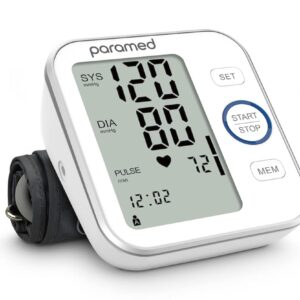
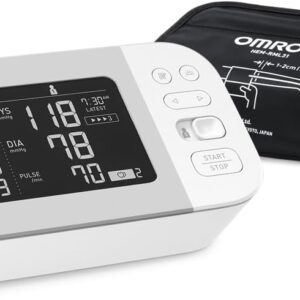
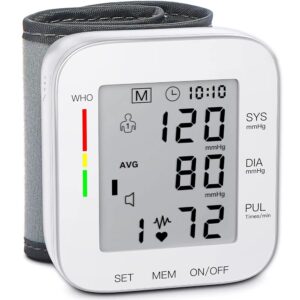
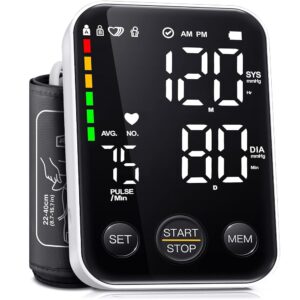
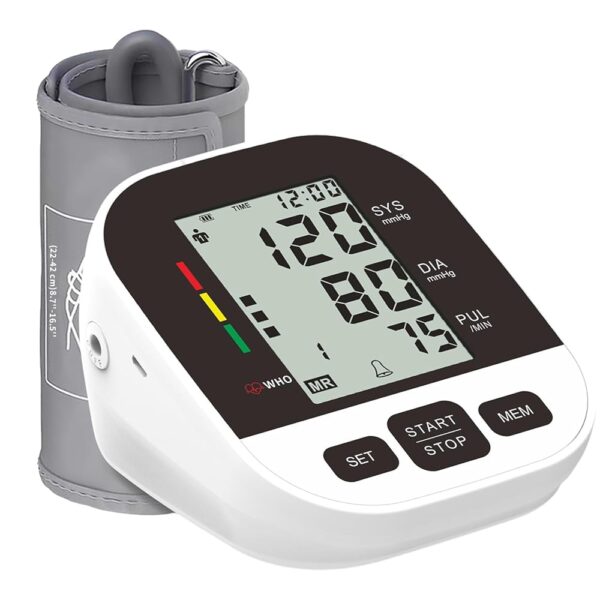
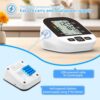
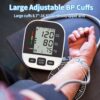
This is a conventional two piece upper arm monitor aimed at a shared household: a wide range cuff, a large screen with bold numerals, one button operation, a stated 30 second measurement, and 198 readings held across two user profiles. It ships with a case, and the listing describes it as running on batteries or from a USB source.
What it settles is the ordinary case. If two adults with average arms want one machine and neither wants an app, this is the shape of the answer, and the specification list has nothing missing that a home log actually requires.
The device measures and records. It does not diagnose, it does not replace professional medical care, and every reading is an input for the clinician who manages your health rather than a conclusion on its own. That distinction matters more than usual here, because of what the listing claims.
The claim on the box, and why we are not repeating it
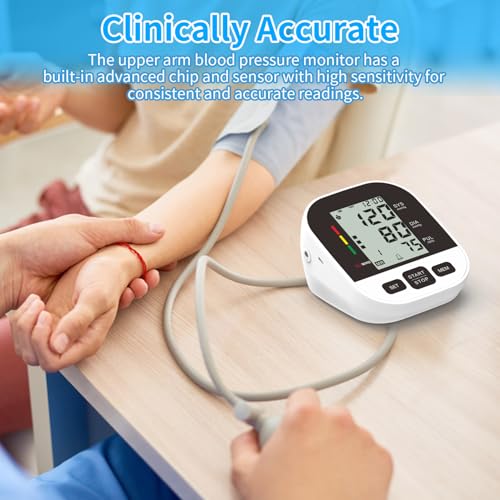
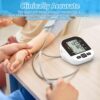
The opening feature bullet says the monitor uses a 2024 smart chip and an advanced AI algorithm for precise readings, drawing on clinical data from hypertension patients, and that it helps detect hypertension reliably with the World Health Organization classification indicator.
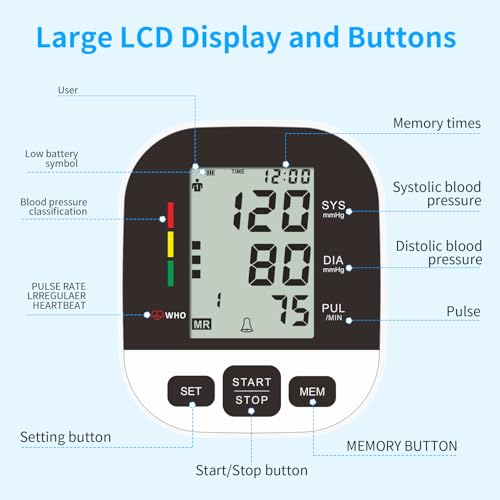
That last phrase is the problem. No home monitor detects hypertension. What the indicator does is sort a single reading into a colored band. Hypertension is a clinical judgment made by a professional from repeated measurements taken over time, considered alongside everything else known about a person, and often confirmed with measurements taken outside the home. Reading a colored bar is not a step in that process that you can complete yourself, and a device advertised as detecting a condition reliably invites exactly the wrong use.
The rest of the claim needs the same treatment. An algorithm developed against clinical data is CardioVantage’s description of how the device was made, not a result. No validation protocol is named, no clearance number is quoted, and no accuracy tolerance is published anywhere in this listing. There is nothing here to check, so we make no accuracy claim about this device in our own voice. Validation status is checkable independently through the lists that medical societies publish, and doing that is worth more than any sentence containing the letters AI.
The specifications that matter
Cuff range
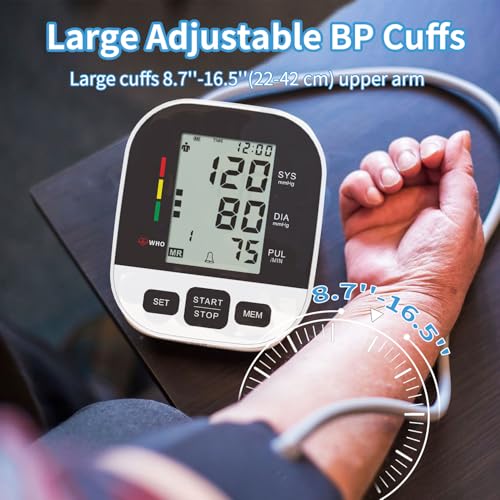
Published as 8.7 to 16.5 inches in the title and the bullets, and as 22 to 42 centimeters in the structured band size field. Those convert correctly to each other, so the sizing information here is consistent, which is more than many listings in this catalog manage.
Note that a separate size field describes the product as extra large. It is not. A 22 to 42 centimeter band is a standard wide range cuff covering most adult arms, and it is nowhere near the 52 centimeter reach of the genuinely extra large bands elsewhere in this catalog. If you were buying on the strength of that field, measure the midpoint of your upper arm with a soft tape first and check it against 42 centimeters.
Memory and users
The title and a bullet both say 198 readings across two users. Neither says how the 198 splits, though 99 each is the arrangement most machines in this family use. If the exact depth per person matters to a log you are keeping, confirm it before ordering.
Display and speed
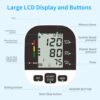
A large screen showing systolic, diastolic and pulse in bold numerals. The listing calls it an LCD in the bullets and lists the display type as digital in the specification fields, which are not the same kind of statement, and no size is published. CardioVantage states a result in about 30 seconds.
Power, and what is in the box
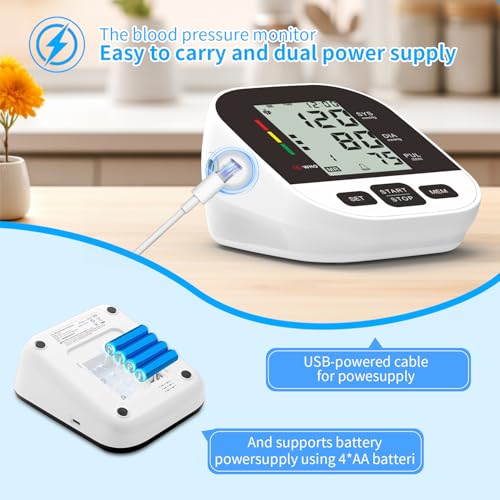
The power source field reads battery powered and USB powered, with a stray non English comma left in by the import. No battery type is given, no count is given, and it is not stated whether cells are included. The contents field lists a cuff, a kit, the machine and a case, with no batteries and no cable. For a device advertising two power routes, neither of them is documented. Ask the seller before ordering.
Listed dimensions are 5.9 by 3.7 by 2.3 inches and listed weight is 14.82 ounces. The model number is BSX595, while the model name field reads simply blood pressure machine, which is a description rather than a model.
Where this design comes from
The manufacturer field names Shenzhen BSX Technology Electronics, and the BSX prefix runs across a long list of unrelated brand names in this catalog. Our ARSIMAI BSX312 review covers a wrist device on the same platform, and our Laukum BSX583 review and Playoung BSX525 review cover two more arm machines under different labels.
Shared platforms are ordinary in this category and none of it reflects on the hardware. What it does mean is that CardioVantage is a name applied to a device rather than a manufacturer with a track record you can research, and that customer feedback pooled under one label tells you little about another. Compare the published figures.
Using it correctly
Rest for five minutes before measuring, sitting with your back supported, both feet flat on the floor and legs uncrossed. Bare the upper arm rather than pushing a sleeve up, since a rolled sleeve acts as a second cuff. Place the lower edge of the band about an inch above the elbow crease with the artery marker over the inside of the arm, tightened so two fingers slide underneath with mild resistance, and rest the arm on a table so the cuff sits level with your heart. Stay quiet and still until the result appears.
Take readings at consistent times of day, and confirm which user profile is selected before pressing start. Write results down with dates and times, because a short paper log is the format a clinician can read at a glance, and 198 stored readings on a screen are not.
If the colored indicator moves into a band that worries you, that is a reason to talk to a clinician, not a reason to change anything yourself or to keep measuring until it moves back.
Alternatives worth comparing
For a machine that ships two cuffs and covers 9 to 21 inches rather than one band, read our AQESO U80BH review. If you would rather buy from a manufacturer whose validation record is straightforward to look up, the Omron BP5100 is the conservative choice at a comparable feature level. Our home blood pressure monitor section lists the alternatives with cuff ranges attached.
Who should buy it, and who should not
Buy the BSX595 if two adults with arms inside 22 to 42 centimeters need one shared machine with a big screen and deep memory. Skip it if you need the power arrangement confirmed before you order, if you need to know exactly how the 198 readings split, or if the sentence about detecting hypertension is what drew you in. It does not detect hypertension, and no home monitor does.