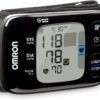


Description
Who the Omron BP6350 wrist monitor is for, and the first thing to know
This is a wrist blood pressure monitor, and that single fact should shape the whole purchase. Wrist devices and upper arm devices are not interchangeable. On a wrist, the position of the device relative to the heart changes the measurement, and the wrist is a smaller and more variable place to take a reading than the upper arm. For home monitoring, an upper arm device is the usual recommendation, and a wrist device is generally chosen for a specific reason, most often that an upper arm cuff cannot be fitted or tolerated. If either kind would work for you, look at the upper arm options first.
Note the naming as well. Omron brands this the 7 Series, and it also brands the BP7350 upper arm monitor the 7 Series. Ordering by series name rather than model number is how people end up with the wrong category of device.
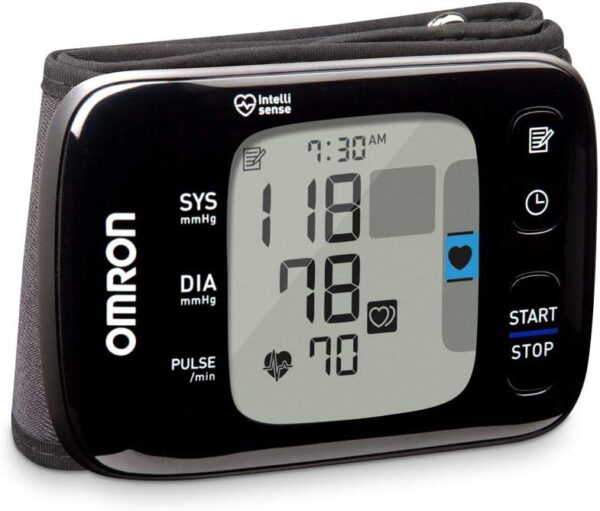
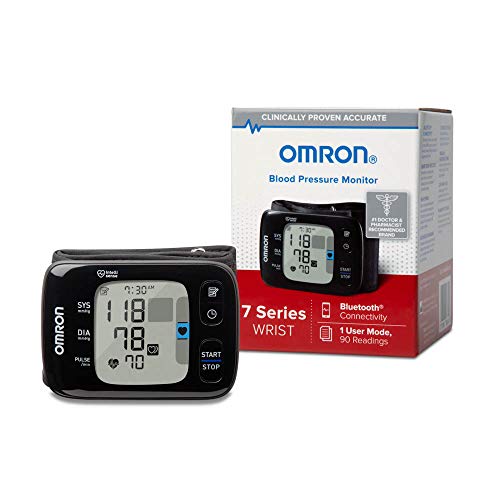
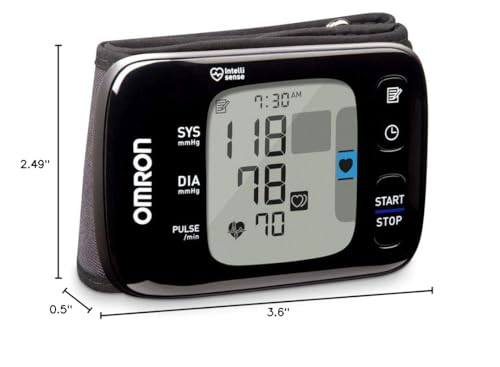
Where a wrist monitor does make sense, this one is built for portability. It weighs 0.2 pounds and measures about 3.6 by 2.5 inches, which is small enough to travel with, and it has a Bluetooth connection to the Omron Connect app.
Cuff range and the specifications that matter
The listing states that it fits adult wrists from 5.3 to 8.5 inches in circumference, and the stored attribute agrees. That is a wrist measurement, not an arm measurement, so take a tape measure to the wrist you intend to use, just above the wrist bone, before ordering. Fit still governs the result. A wrist cuff that is loose will not compress the artery properly and the device cannot tell you that this is what happened.
The positioning features, and why they exist
Omron has built two features into this model that exist specifically because wrist measurement is easy to get wrong, and they are the most useful things on the specification list. The first is a Cuff Wrap Guide that alerts you if the cuff has been wrapped too loosely. The second is Heart Zone Guidance, which activates inflation only when the device judges that your wrist is at heart level. Both are attempts to remove the largest source of error in wrist monitoring, which is holding the wrist in the wrong place. Use them rather than working around them.
The monitor stores 90 readings for one user on the device itself, and unlimited readings and users through the app. It automatically averages up to the last three readings taken within a ten minute period, which gives a steadier figure than a single measurement. Irregular heartbeat detection is included, and a hypertension indicator appears when a reading crosses a threshold programmed by the manufacturer. Both of those are flags. The irregular heartbeat symbol means the device noticed something in the rhythm during that measurement. It does not identify it and it does not diagnose anything. The indicator is a prompt to raise the subject with a clinician, not an answer, and we are not reprinting the threshold here as a target, because what a number means for a given person is a clinical judgment.
Using it correctly, and what the readings are for
Wrist technique is stricter than arm technique. Sit with your back supported and feet flat on the floor. Rest for several minutes first. Put the cuff on a bare wrist, close to the hand but clear of the wrist bone, and follow the fit guide rather than guessing. Then support the forearm, most easily with the opposite hand or on a cushion, so that the device sits at the height of your heart, and hold still and silent while it inflates. Holding the wrist too low or too high is the classic error and it changes the number. Use the same wrist at about the same time of day each time.
What you are producing is a record. This monitor does not replace professional medical care. What any reading means, whether a pattern in your readings is significant, and whether anything in your treatment should change are questions for a healthcare professional who knows your history, and the readings you collect belong in that conversation rather than in a decision you make alone.
Claims, and one thing in our own excerpt that was not supported
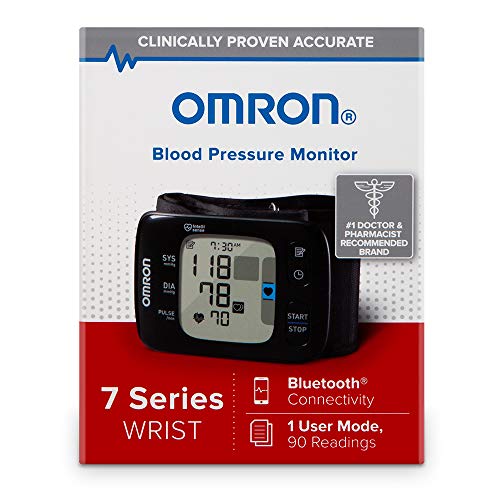
Omron’s own material describes the brand as the one most recommended by doctors and pharmacists for clinically accurate home monitoring. That is the manufacturer’s claim, and we do not test devices, so we will not repeat it as a finding of ours. No independent validation protocol is named in this listing. Home monitors can be assessed against published protocols run by independent bodies, and where a model has passed one the protocol is usually named, so a reader who wants that assurance should check an independent validation listing for this specific model.
There is also a correction to make about our own previous summary of this product, which described a durable hard carrying case as included. Nothing in the listing data we hold supports that. The stored components list contains the monitor and the cuff, and no case appears in either the components field or the feature text. We have removed the claim. If a case matters to you, treat it as something to confirm rather than to assume.
Limits and gaps
The device memory holds one user only, which makes the app the mechanism for sharing the monitor between people, and Bluetooth compatibility is stated as limited to selected iOS and Android devices, so an older handset may not connect. Battery life is not published and no AC adapter is described. The 90 reading on device memory is smaller than the on device memory of the upper arm models in the same range.
The largest limit is the one at the top of this page. A wrist monitor is more sensitive to how you hold your arm than an upper arm monitor is, and no amount of technology in the cuff removes that entirely. It is a reasonable choice for travel or where an arm cuff will not fit, and a second choice otherwise.
Alternatives worth comparing
If an upper arm device would work for you, the Omron 5 Series BP742N covers a 9 to 17 inch arm range without the positioning difficulty. Among other wrist devices, the Care Touch digital wrist monitor and the SureLife WRS-35H are the comparisons, and the Konquest KBP-2704A is another option in this part of the catalog. Our index of home monitors and cuffs shows which listings are wrist devices and which are upper arm.
Who should buy it and who should not
Buy it if a wrist device is the right form for your situation, your wrist measures between 5.3 and 8.5 inches, you travel with a monitor, and you will use the fit and heart level guidance every time. Do not buy it as a first home monitor if an upper arm cuff would fit you, do not assume a case is in the box, and do not treat any indicator on the screen as a substitute for asking a clinician.