
Description
Who the Omron 7 Series BP7350 is for
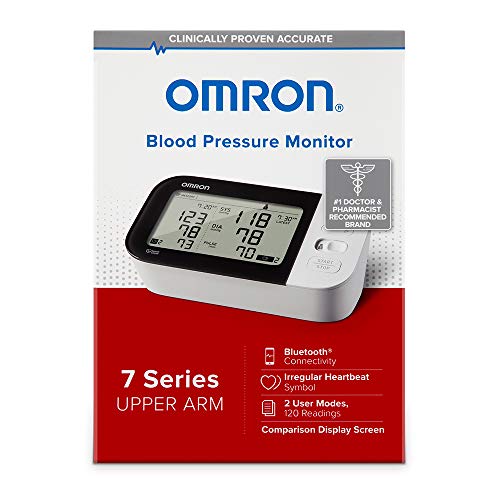
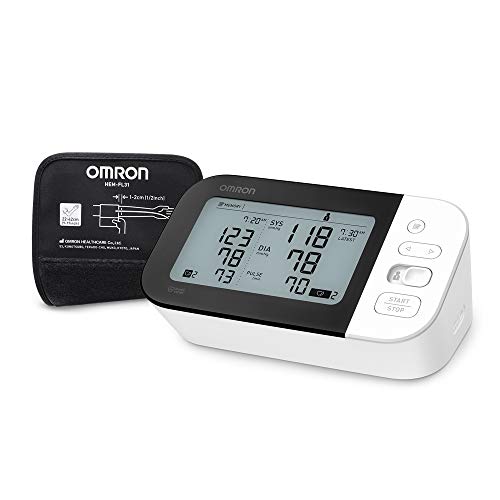
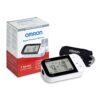
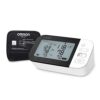
This is an upper arm automatic blood pressure monitor with a Bluetooth connection, aimed at someone who wants their readings to build into a history on a phone rather than in a notebook. It stores 120 readings on the device itself, split as 60 each for two users, and passes them to the free Omron Connect app where the storage is unlimited. It records numbers for a clinician to look at. It is not a diagnostic device and it does not replace professional medical care.
A naming warning first, because this catalog contains the trap. Omron sells more than one product called the 7 Series, and they are not the same kind of device. This one, the BP7350, is an upper arm monitor. The BP6350, also branded 7 Series, is a wrist monitor. Check the model number rather than the series name when ordering.
Cuff range and the specifications that matter
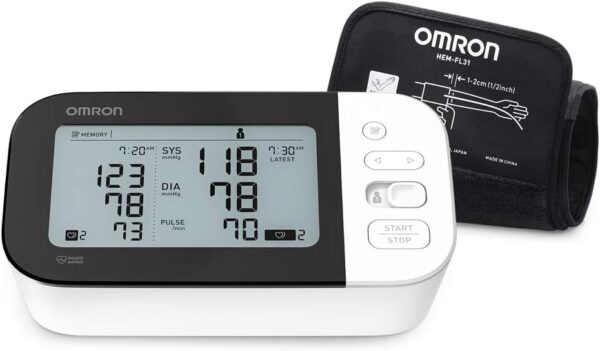
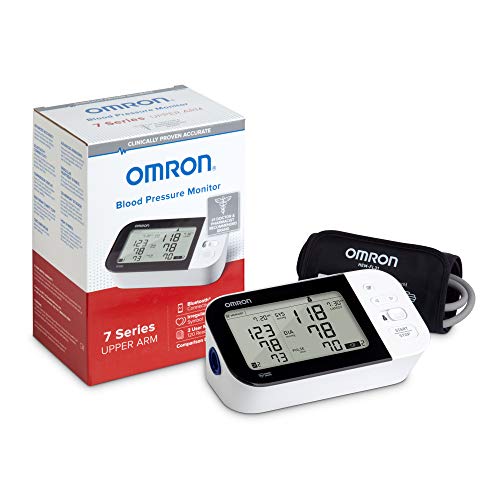
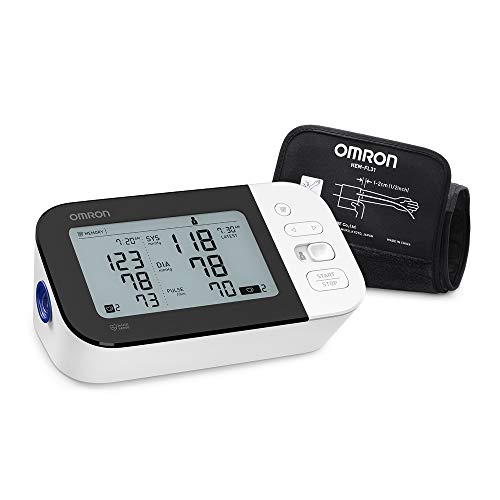
The cuff supplied is Omron’s easy wrap ComFit cuff and the listing states that it fits arms of 9 to 17 inches in circumference, which the stored attribute records as 22 to 42 cm. Measure your bare upper arm at the midpoint between shoulder and elbow before ordering and check that figure against the range. Cuff fit is the thing most likely to make a home reading unrepresentative, because a cuff that is too small or too large will give readings that do not match what the same device records on a correctly fitted arm, and it will do so silently.
The dual display, the memory and the two indicators
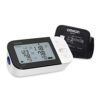
The screen is a dual LCD that shows your previous reading next to the current one, which makes comparison easier without going into the memory. Bluetooth connectivity works with the Omron Connect app on selected iOS and Android devices, and the listing notes an Amazon Alexa integration through an Omron skill. Omron states a five year limited warranty on the unit and one year on the cuff. The unit weighs 1.01 pounds.
Two on screen indicators need describing carefully. The first is an enhanced irregular heartbeat symbol, which the listing says alerts you to the number of irregular heartbeats detected during a measurement, up to three. That is a flag, not a finding. It tells you the device noticed something in the rhythm during that measurement. It does not identify what, it does not diagnose any condition, and the correct response is to mention it to a clinician rather than to interpret it. The second is what Omron calls a Hypertension Indicator, a symbol that appears when a reading crosses a threshold the manufacturer has programmed into the device. We are deliberately not reprinting that threshold here as a target to aim at, because what any number means for a particular person depends on their history and their treatment, and that is a clinical judgment rather than a device output. Treat the indicator as a prompt to have a conversation, not as a verdict.
Using it correctly, and what the readings are for
Technique matters more than the gap between two reasonable monitors. Sit with your back supported, feet flat on the floor and uncrossed, and rest quietly for several minutes before measuring. Wrap the cuff on a bare upper arm, not over a sleeve, and support the arm so the cuff sits at about heart height. Do not talk while the measurement runs. Use the same arm at about the same time each day so the series you build can be compared with itself. The listing itself carries a note that blood pressure varies constantly for reasons including stress, time of day and how the cuff is wrapped, which is worth taking at face value.
The point of collecting this is to have something to show. What the readings mean, whether a trend matters, and whether anything about your care should change are questions for a healthcare professional who knows your history. This monitor does not replace professional medical care, and no reading from it should be used to start, stop or adjust treatment on your own.
The accuracy claims, and what is not stated
The listing states that Omron is the home blood pressure monitor brand most recommended by doctors and pharmacists for clinically accurate home monitoring, and the leading selling manufacturer in the category for over forty years. Those are the manufacturer’s claims. We do not test devices and we will not tell you that any monitor is accurate in our own voice.
What the listing does not do is name an independent validation protocol. Home blood pressure monitors can be assessed against published protocols run by independent bodies, and where a model has passed one, the protocol is usually named. This listing does not name one, so a reader who wants that assurance for this specific model should check an independent validation listing rather than relying on the marketing language. It is a reasonable thing to check and it takes a few minutes.
Limits and gaps
The Bluetooth is conditional. The listing states compatibility with selected iOS and Android devices and points to a compatibility page, which means an older phone may not work with it. Check your handset before assuming the connection will be available, because without the app this becomes a two user, 120 reading device. There is no AC adapter listed among the components and no published battery life. The stored manufacturer field reads as a marketplace vendor code rather than a company name, which is import junk rather than a product issue.
The two user limit is a constraint in a larger household, and the app rather than the device is where more than two people would have to be handled. As with every device in this category, it produces a record that supports professional care rather than replacing it.
Alternatives worth comparing
Higher in the same family, the Omron BP7900, which pairs a monitor with an EKG function adds a second measurement type, and the Omron BP7000 is an earlier connected model. The Omron BP4350 covers the same ground with fewer features. Outside Omron, the Withings BPM Connect is the obvious connected alternative. Our index of home monitors and cuffs lists the cuff range each listing publishes.
Who should buy it and who should not
Buy it if you want readings to accumulate on a phone, your arm measures between 9 and 17 inches, and no more than two people will use the device itself. Do not buy it if your phone is not on the supported list, if you want mains power without sourcing an adapter, or if you expect an on screen indicator to tell you something a clinician should be telling you.