



Description
Who This Monitor Is For and What It Settles
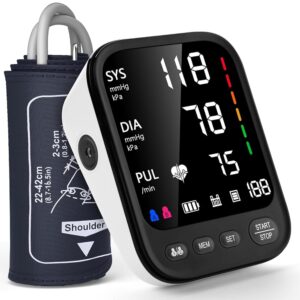
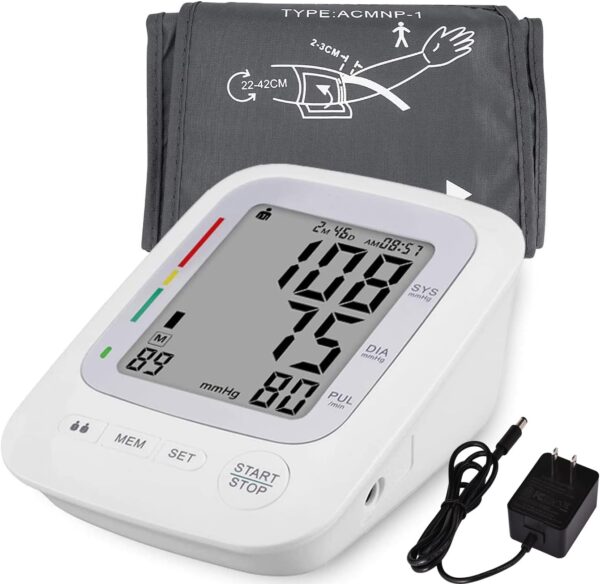
The TDMOON U80BH is an upper arm blood pressure monitor with a 3.5 inch LCD, two user memory holding 90 readings each, a detachable cuff and a mains adapter in the box. It is aimed at a household that wants a permanent bedside or desk device rather than something to pack, and the adapter is the reason to choose it over a battery only unit.
Before the specifications, the standing point. This review describes a device and the data published for it. It does not interpret readings, it does not tell anyone what their numbers mean, and a home blood pressure monitor does not replace professional medical care.
The Cuff Range Is Published Twice, Differently
Cuff circumference is the specification that decides whether a monitor can work for a given arm, because a cuff that is too small or too large produces wrong readings on hardware that is functioning perfectly, and nothing on the display warns you. This listing gives two different answers.
The structured band size field says 8.66 to 16.5 inches, which is the standard wide range figure and corresponds to 22 to 42 cm. A bullet instead describes an extra large cuff fitting 9 to 17 inches. Those are not the same accessory: the bullet claims half an inch more reach at the top and a third of an inch less at the bottom.
Half an inch matters at the top of the range, because that is exactly where a large armed buyer is deciding whether a cuff will close. Measure the bare upper arm at the midpoint between shoulder and elbow and, if your measurement is between 16.5 and 17 inches, ask the seller which figure is correct in writing before ordering. Do not buy on the more generous number. If you need genuine reach beyond 17 inches, look at a monitor sold as a multi cuff kit such as the COCACIS U80BH, which covers 9 to 21 inches with two cuffs.
What Is Actually Documented
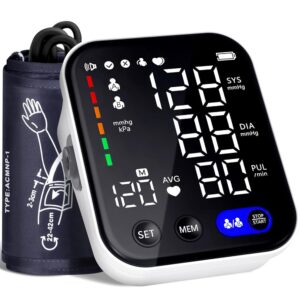
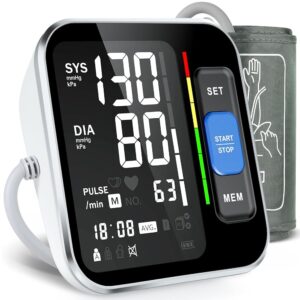
Memory is 90 readings for each of two users, 180 in total, stamped with times and dates. The display is a 3.5 inch LCD showing systolic pressure, diastolic pressure and pulse, which is a specific figure and more than most listings publish, though no digit height is given.
The cuff is described as detachable, which matters more than it sounds: a detachable cuff can be replaced with a correctly sized one later rather than obliging you to replace the whole monitor. The unit measures 6.5 by 3.5 by 4.3 inches at 400 grams, or 14.11 ounces, and the two weight fields agree.
The power arrangement, including what is missing
A bullet states that the monitor comes with a 6V 1A power adapter and also supports four AA batteries, and then makes a point of saying the batteries are not included. That is honest and worth crediting, since several listings in this catalog leave the buyer to discover that on delivery.
The structured fields do not match it. The power source field says battery powered, on a device supplied with a mains adapter and no cells. The included components field is worse: it contains a single untranslated Chinese word meaning charger, and nothing else. So the only component the listing names in its structured data is an adapter, while the bullet describes an adapter plus batteries you have to buy yourself. Buy AA cells at the same time if you want the device to work away from an outlet.
The Claims, and the One That Appears Only in the Title
The lead bullet says the monitor uses accurate stable algorithms and a chip to ensure the most accurate blood pressure measurement. That is a superlative from the seller and not ours. We do not test devices and we do not verify manufacturer claims. No accuracy figure, no tolerance, no validation protocol and no regulatory clearance appears anywhere in the data. Validation status for home monitors can be checked independently through the registries medical bodies maintain.
The product title also advertises irregular heart rate indication. That claim appears in the title alone. Not one of the five bullets, none of the specification fields and none of the stored attributes mentions a rhythm indicator, an icon, or any detection feature. If that function is why you are considering this monitor, confirm it with the seller before buying, and understand what it would be if present: an indicator of that kind flags that the device saw an irregularity during a measurement. It does not identify what the irregularity is, it does not diagnose anything, and it cannot separate a genuine finding from an artifact caused by movement or a poorly placed cuff.
Using It Correctly
Fit the cuff to the bare upper arm rather than over a sleeve, with the tubing running down the inside of the arm toward the palm and the lower edge roughly an inch above the elbow crease, closed so one finger slides underneath with mild resistance. Sit with the back supported and both feet flat on the floor, rest the arm so the cuff sits level with the heart, and stay silent and still through inflation and release.
Rest for several quiet minutes before the first reading rather than measuring straight after activity, and use the same arm at the same times each day so the record compares with itself. If the device is running from the adapter, position it so the cord reaches without pulling the monitor toward the edge of the table, since a tug mid measurement spoils the reading. Set the user slot before the first measurement so the two banks stay separate.
Limits and the Wider Model Family
The description field is empty, so five bullets and a specification table carry everything. Nothing is published about the pressure or pulse measurement range, tolerance, averaging across readings or battery life. The size field reads 1 count, pack of 1, which is packaging metadata rather than a specification.
The manufacturer field is worth naming because it contains three parties at once: the brand on the box is TDMOON, and the manufacturer of record reads as Shenzhen Urion Technology followed by a second company name. Urion supplies many brands in this catalog under the U80 family, and the U80BH designation alone appears here as the AQESO U80BH and a second AQESO U80BH alongside this one. Same model designation, different brands, different cuff figures and accessory sets, so confirm what the specific page you are buying from actually ships.
The point that outranks the rest: this device produces numbers and stores them. It does not diagnose, it does not replace professional medical care, and nothing in this review is guidance about anyone’s health.
Alternatives Worth Comparing
If mains operation is the deciding feature, the Tediver BP366A runs from the wall exclusively, which suits a permanently sited device but removes the battery fallback this one keeps. The full selection sits in our blood pressure monitor category.
Who Should Buy It, Who Should Not
Buy it if your arm falls comfortably inside 8.66 to 16.5 inches, a supplied mains adapter with an optional battery fallback is what you want, and two banks of 90 readings suits your household. Skip it if your arm sits between 16.5 and 17 inches and the two published ranges leave you guessing, if the rhythm indicator in the title is the reason you were interested, if you need documented accuracy or validation, or if you expected batteries in the box.