
Description
Who the Wellue BP2A is for, and what it settles
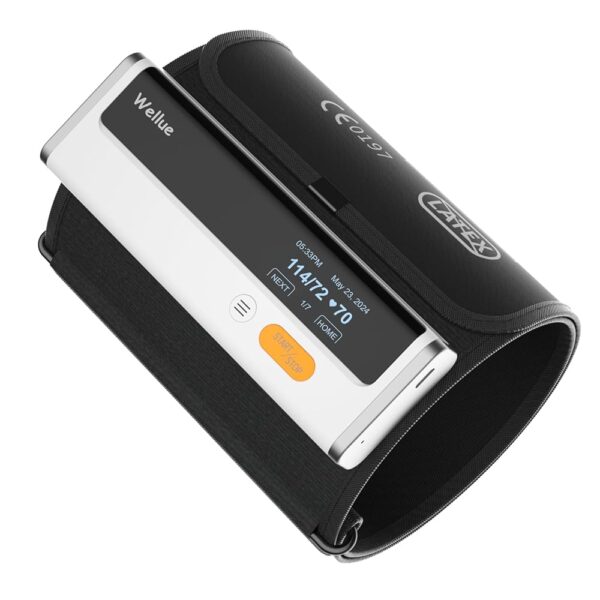
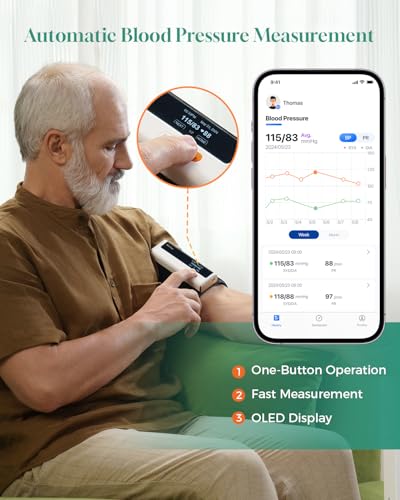
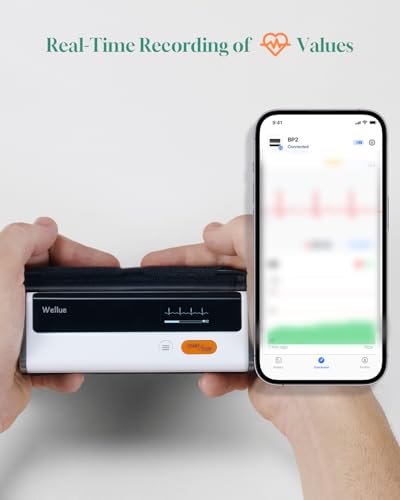
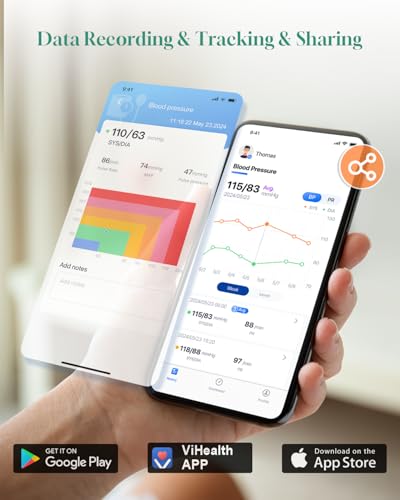
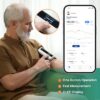
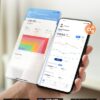
This is the most compact upper arm monitor in this part of the catalog by a wide margin. The body measures 5.9 by 1.9 by 1.8 inches and weighs 8.47 ounces, it uses an OLED screen rather than an LCD, and it runs on an internal lithium polymer cell that Wellue states will last around three months of typical use per charge. Wellue makes it under the Viatom name, and it pairs with a free app for iOS and Android that produces shareable reports.
What it settles is portability without disposability. Most monitors that shrink this far do it by moving to the wrist, with the position sensitivity that comes with that. This one keeps an upper arm cuff, which is the format usually recommended for home monitoring, and instead shrinks the body until the cuff is the biggest thing in the bag.
Whatever the app shows over time, this is a home instrument. It does not diagnose anything, it does not replace professional medical care, and the pattern it records is for the clinician who manages your health to interpret.
The specifications that matter
Cuff range, and one field that disagrees
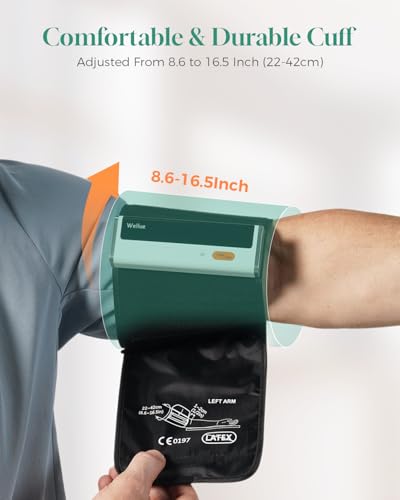
The product title gives 8.6 to 16.5 inches. A feature bullet gives 22 to 42 centimeters, and those two convert correctly to each other. The structured band size field, however, reads 16.8 inches, which matches neither figure and is a single number rather than a range.
Work from 22 to 42 centimeters, which appears twice and is internally consistent, but if your measurement is close to the top end, get it confirmed rather than relying on a field that has a third figure in it. Measure the midpoint of your upper arm with a soft tape, arm relaxed at your side. A cuff that has run out of adjustment, or one so oversized it cannot lie flat, changes the numbers on a monitor that is working exactly as designed.
Memory, and the number to pay attention to
Fifty readings on the device. That is the lowest on device storage of any monitor in this part of the catalog, where 99, 120 and even 500 per user are common. Wellue’s answer is the app, which stores more, and that is a reasonable design if you will actually use it.
Note also that the listing never says how many users the device supports on its own. Two user profiles are standard elsewhere here and no such feature is mentioned. If two people intend to share the machine, ask before ordering, because fifty readings shared between two people with no way to separate them afterwards is worse than no log at all.
Screen and power
An OLED display, which is unusual in this catalog and generally means better contrast in low light than a basic LCD, although no size is published. The battery is a lithium polymer cell with a stated three month typical runtime per charge. Note that the structured contents field lists only a battery, with no charging cable, no cuff and no manual. For a rechargeable device that is worth confirming, since a cable is not optional.
Speed
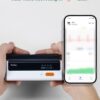
Wellue states one press and a result in 30 seconds, with a wireless design meaning no hose to a separate base unit.
Claims that need attributing
The listing describes high end measurement accuracy and more convenient and timely care at home. Those are Wellue’s phrases. No validation protocol is named, no clearance number is quoted and no accuracy tolerance is published anywhere in the data, so there is nothing here we can check and nothing we will assert in our own voice. Validation status for any home monitor can be looked up independently through the lists that medical societies publish, and given that this device is sold on the strength of its accuracy claim, that is a check worth making before you buy rather than after.
The listing also mentions no irregular heartbeat flag, no averaging mode and no positioning check. Several cheaper machines in this catalog publish all three.
A note on the model, and on Viatom
The item model number is given as BP2A yellow, with the color built into the model string, which is worth knowing if you are searching for accessories or support later. The manufacturer is Shenzhen Viatom Technology, which sells closely related hardware under more than one brand name. Our Checkme BP2A review and our second Checkme BP2A listing cover devices carrying the same BP2A model code under a different label.
That matters practically. If you are comparing the Wellue against the Checkme and treating them as rival products, you may be comparing two badges on the same platform. Compare the published figures rather than the names, and if you find a validation entry for one, confirm that it names the exact model you intend to buy.
Using it correctly
Rest for five minutes before measuring. Sit with your back supported, both feet flat on the floor, legs uncrossed. Bare the upper arm rather than pushing a sleeve up, since a rolled sleeve acts as a second cuff. Place the lower edge of the band about an inch above the elbow crease with the artery marker over the inside of the arm, tightened so two fingers slide under with mild resistance, and rest the arm on a table so the cuff sits level with your heart. Stay quiet and still until the result appears.
Because on device memory is only fifty readings, decide early whether the app is part of your routine. If it is, set it up and learn how to produce a report before you need one at an appointment. If it is not, write every reading down with the date and time, because the device will start overwriting sooner than you expect.
If you travel with it, note the circumstances alongside each reading. Sleep, salt, alcohol and unfamiliar routines all move home readings, and a log full of hotel measurements without that context is harder to read.
Alternatives worth comparing
For a connected monitor with a deeper on device memory and a documented validation listing, read our Medline MDS7001B review. The Withings BPM Connect is the polished end of the connected market and syncs over Wi-Fi as well as Bluetooth, while the Greater Goods Bluetooth monitor covers similar ground with a published cuff range at both ends. Our home blood pressure monitor section lists them together.
Who should buy it, and who should not
Buy the BP2A if you want an upper arm cuff in something that fits in a jacket pocket, if your arm measures inside 22 to 42 centimeters, and if the app is genuinely part of how you will use it. Skip it if you want records kept on the device itself, if two people need separate profiles, or if you want a cuff figure that appears the same way in every field of the listing. And whatever the app graphs look like over a month, that pattern is for a clinician to read rather than for you to interpret alone.